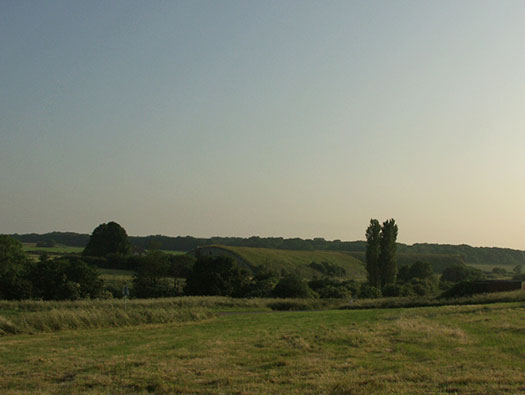
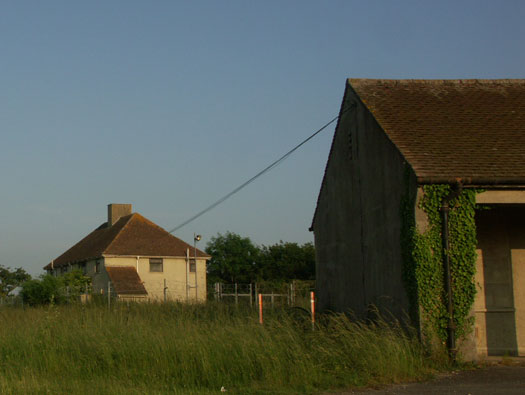
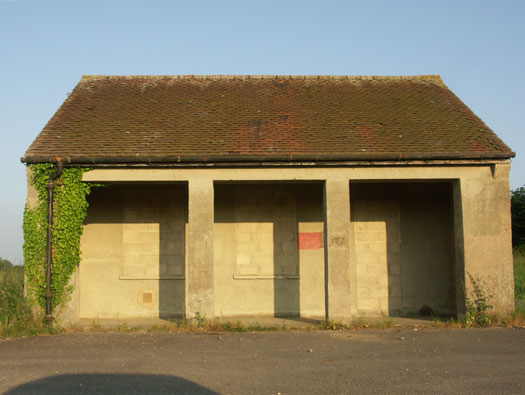
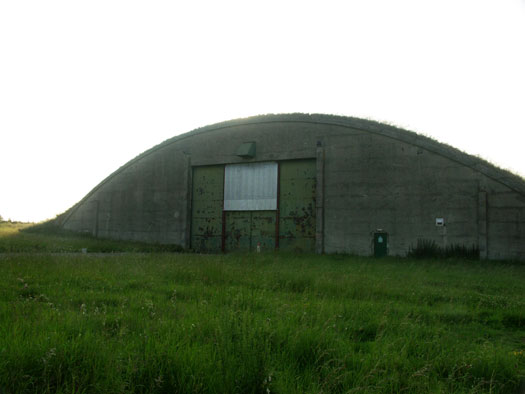
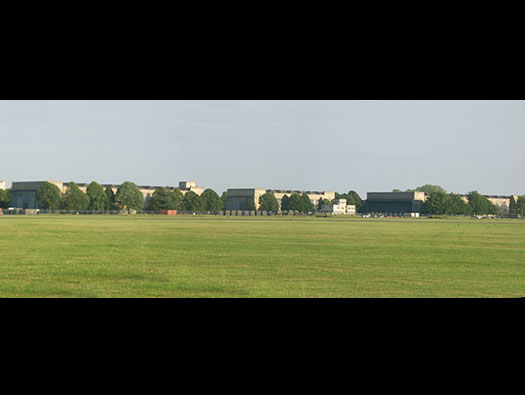
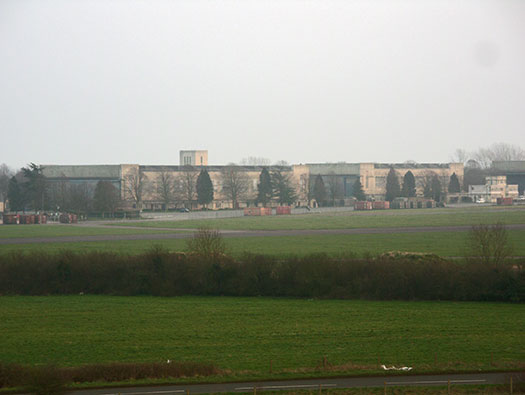
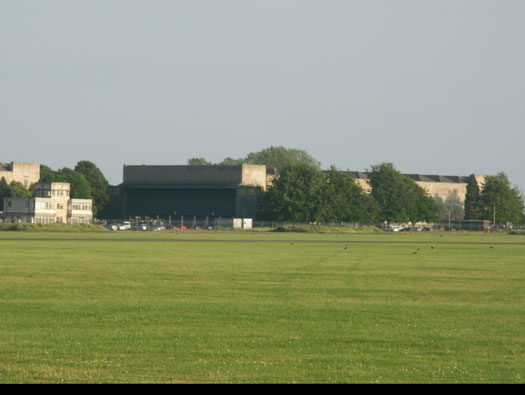
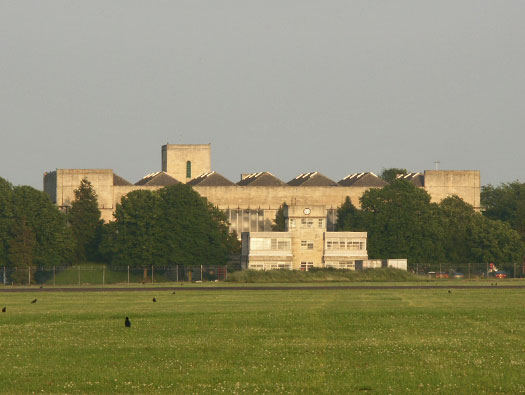
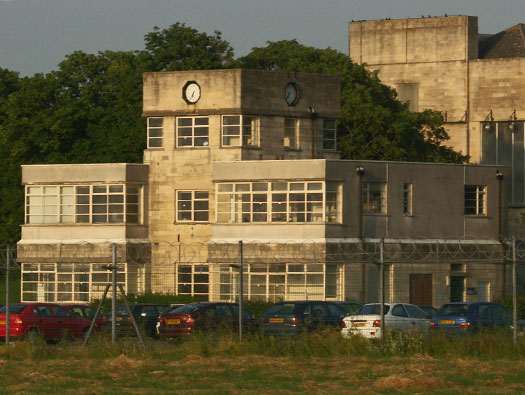
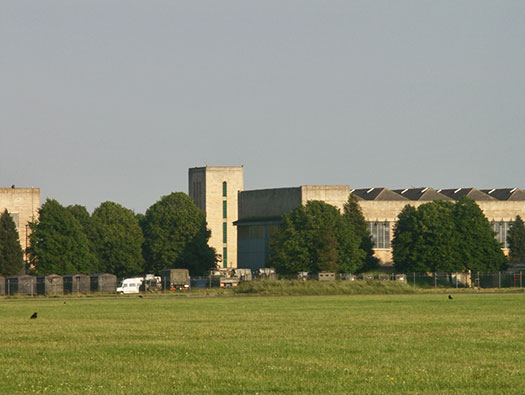
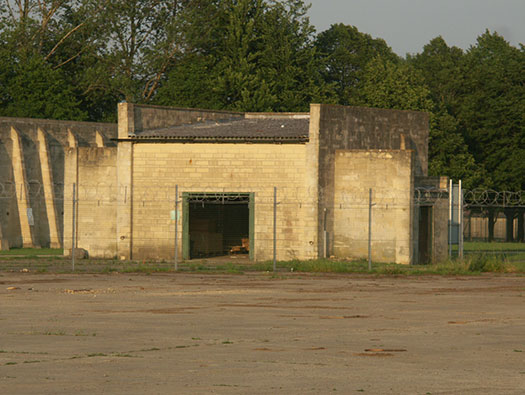
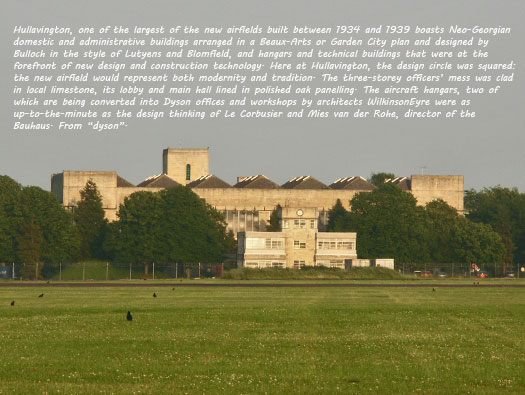
Building started in 1936 at Hullavington for an RAF Expansion Scheme airfield. The Expansion Scheme era is very interesting in an architectural sense. Buildings were allowed to be designed by modern architects in an English / Georgian style and made to fit in to the surroundings by using local materials, as here with Bath, Cotswold Stone.
No.9 Flying Training School (FTS) arrived in 1937 with Hawker Harts.
Opened - 1937
Main units: -
No 9 Flying Training School (9 Jul 1937 - 3 Sept 1939).
No 9 Maintenance Unit (8 Jul 1938 - 1 Feb 1939).
No 10 Maintenance Unit (1 Feb 1939 - 31 Dec 1959).
No 9 Service Flying Training School (3 Sept 1939 - 14 Feb 1942).
RLG for No 6 Service Flying Training School (11 Dec 1939 - Jan 1940).
No 10 Group Communications Flt (1 Jun - 1 Jul 1940).
No 8 (Service) Ferry Pilots Pool (5 Nov 1940 - 27 Mar 1941).
After this many other units came and went.
The RAF left in 1992 and the Army took it over as Buckley Barracks. It then became the home to 9 Regt Royal Logistic Corps.
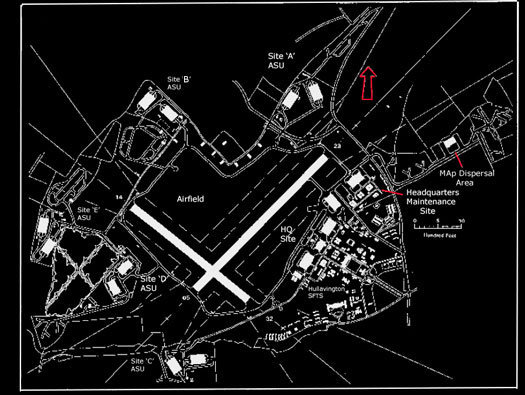
RAF Hullavington was designed as an Aircraft Storage Unit (ASU) and also a Flying Training School (FTS).
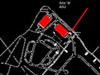
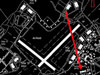
Based on Paul Francis plan.
One of the Army units.Now home of Dyson.
RAF Hullavington
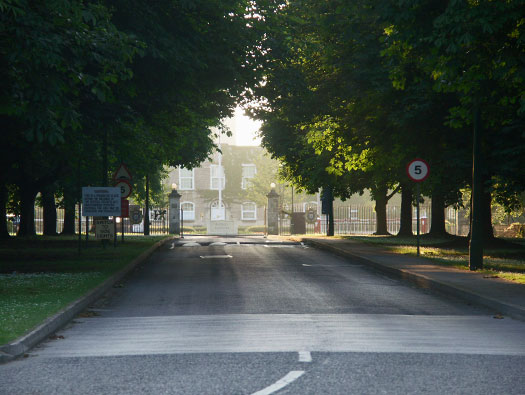
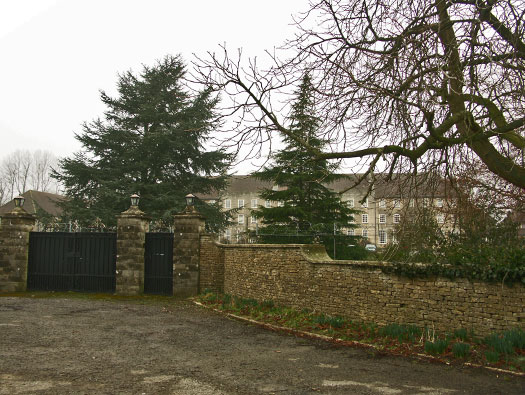
Main Gate on a warm and sunny afternoon.
04 July 2006
RAF Hullavington
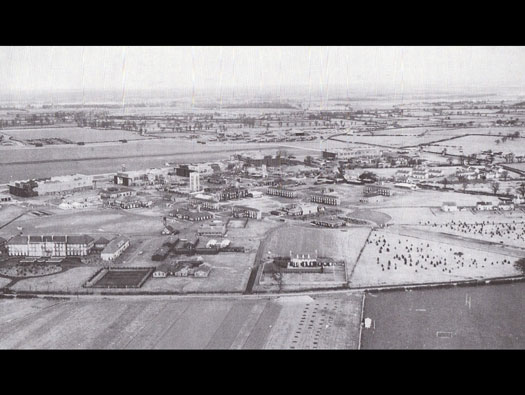
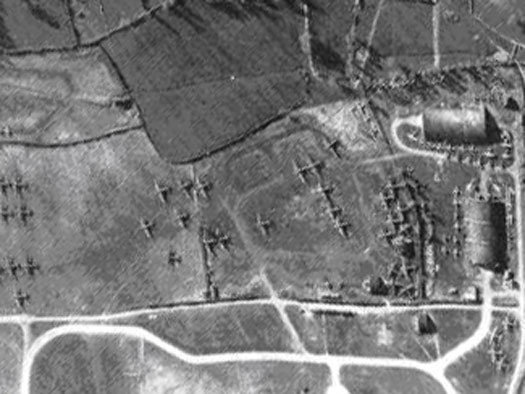
An early air photo of Hullavington with the Officers mess prominent.
RAF Hullavington
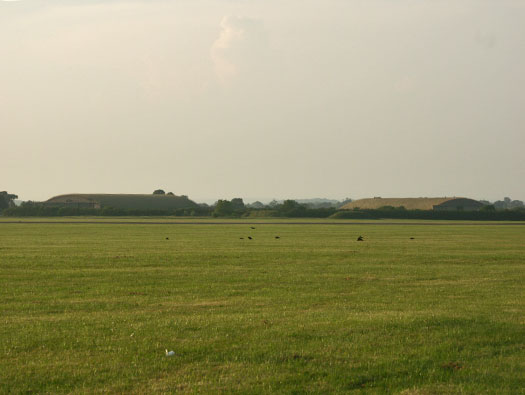
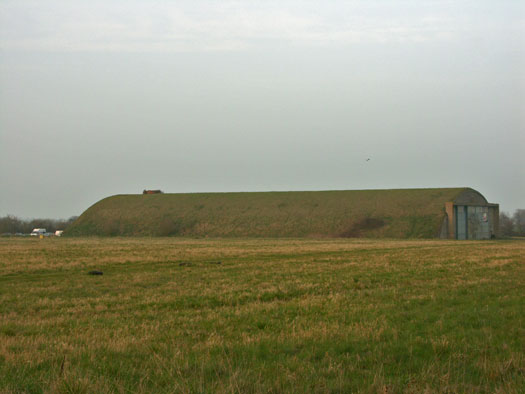
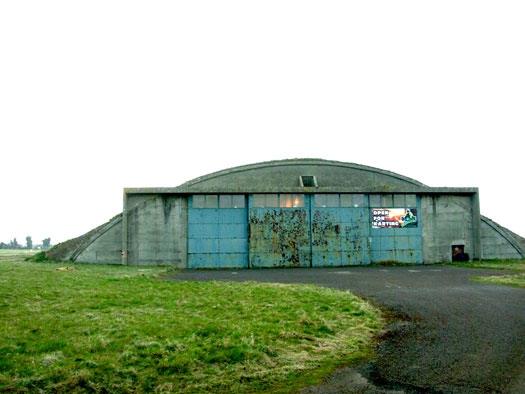
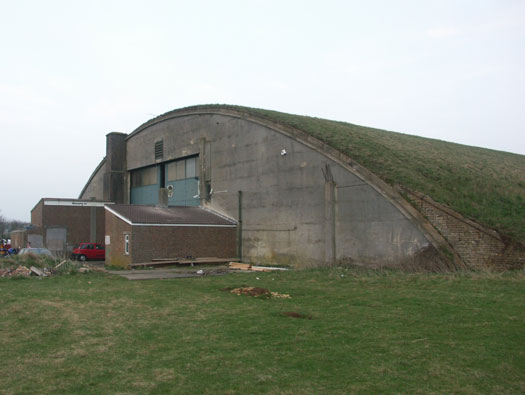
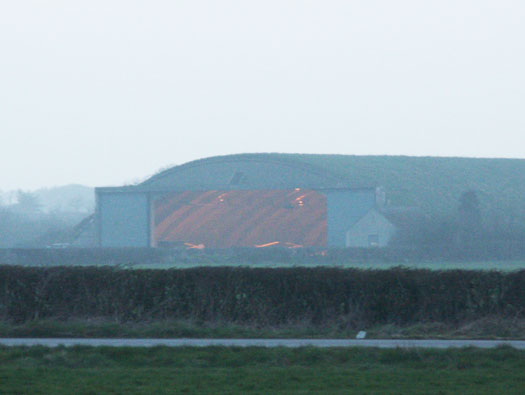
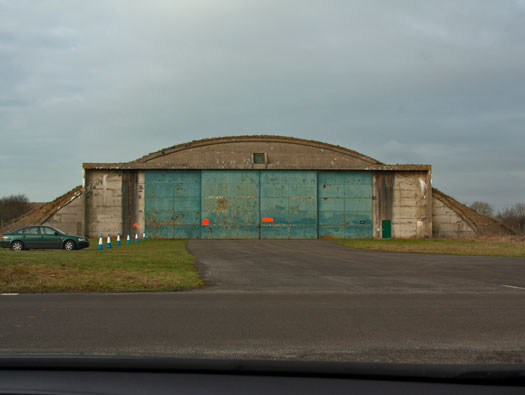
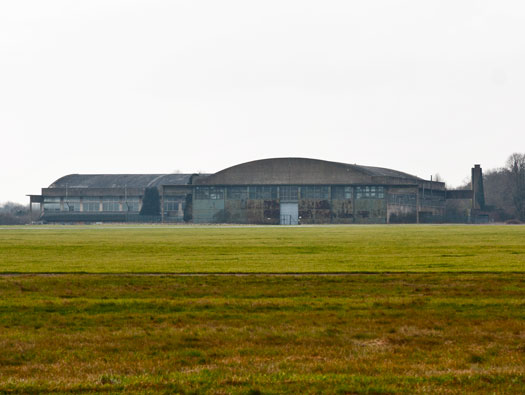
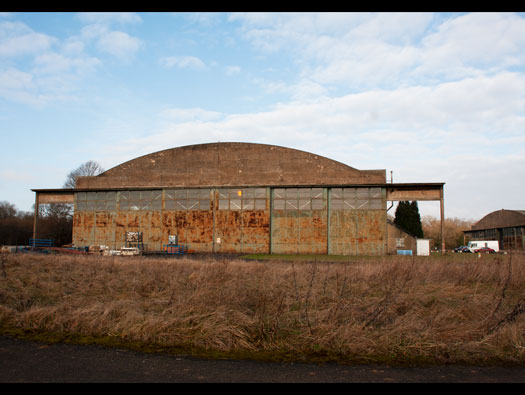
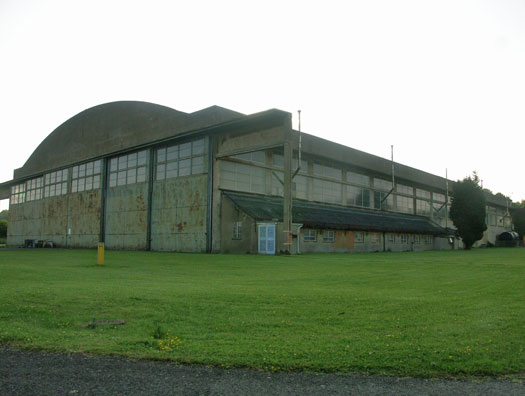
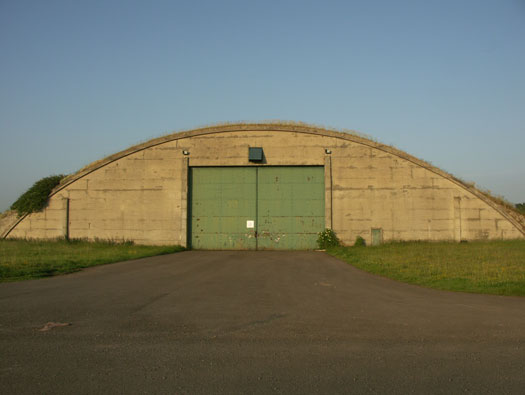
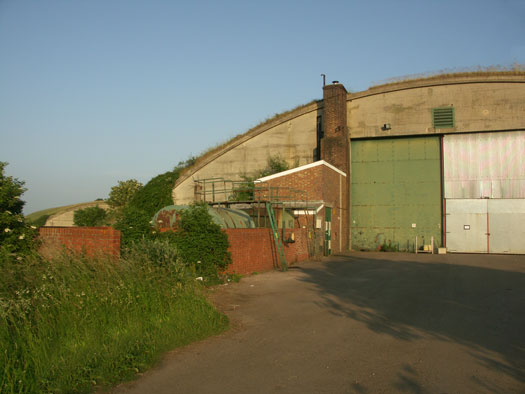
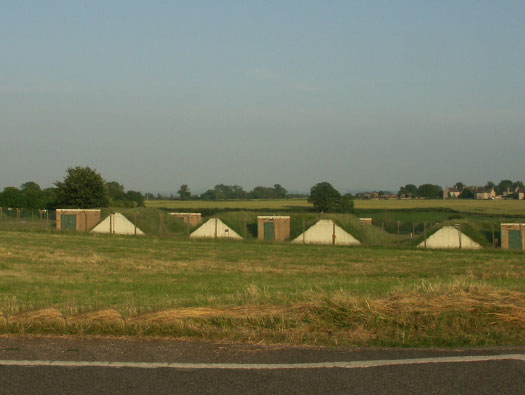
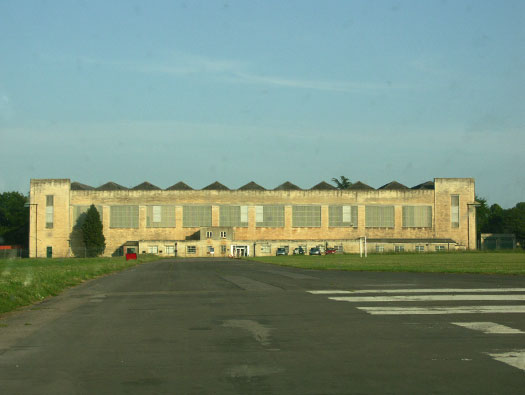
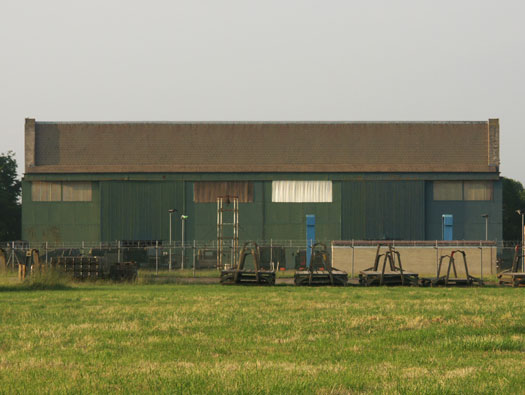
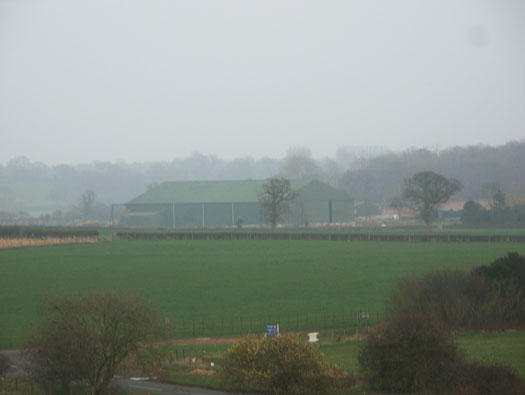
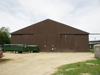
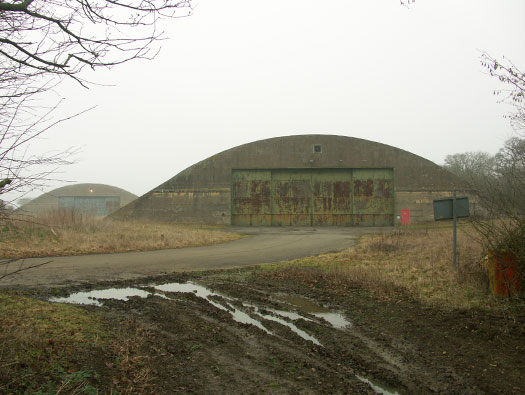
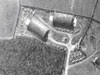
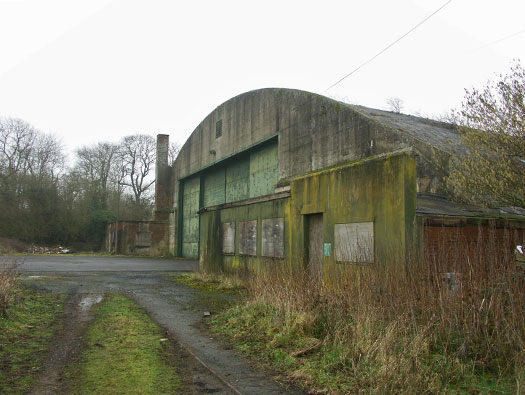
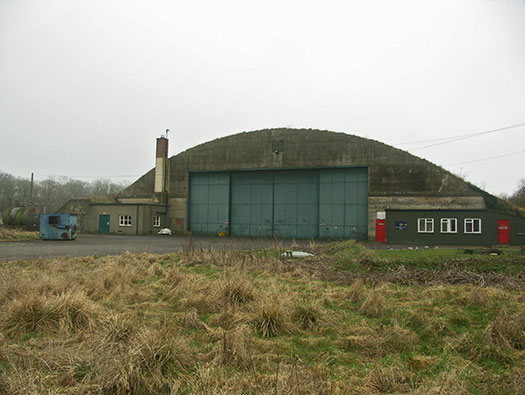
Hangars site 'A' two E type Sheds
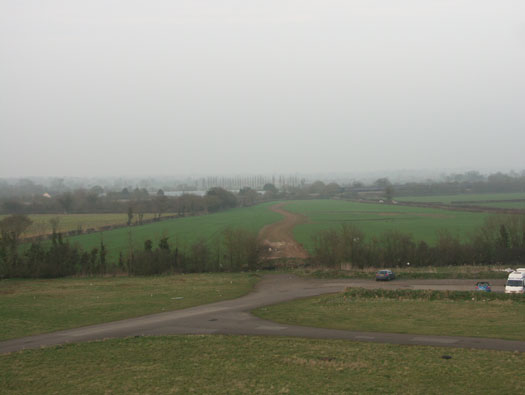
The R/H hangar is now a go-cart track, the second has now had the door painted, so it looks as though it is going to be used again.
20 March 2005
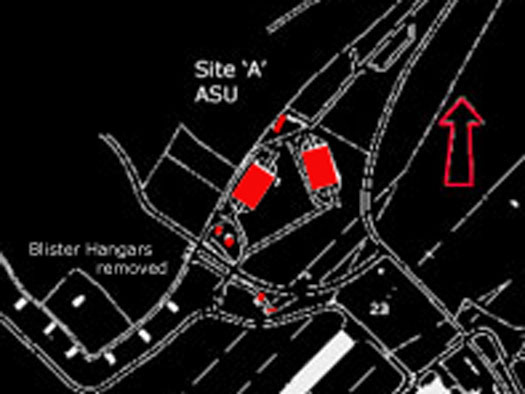
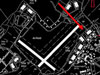
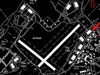
Plan.
RAF Hullavington
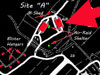
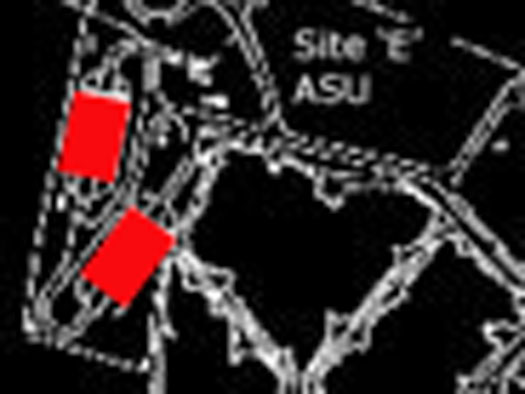
Site 'A' ASU
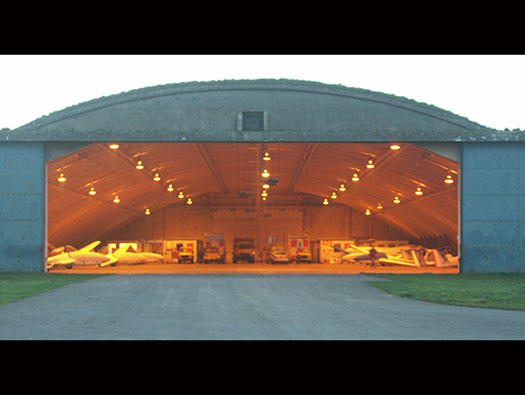
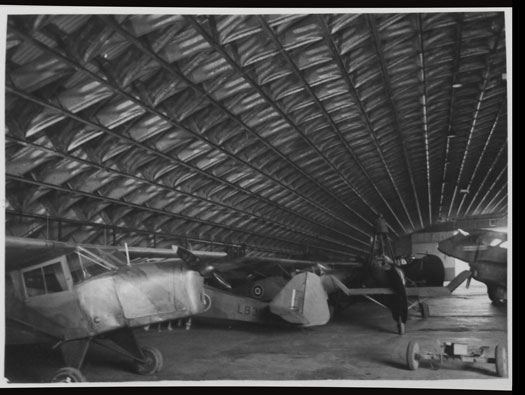
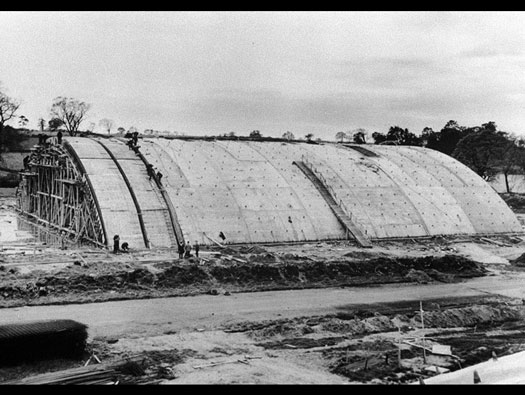
87/88 - Aircraft Shed ('E' type) - Con - 7305/37.
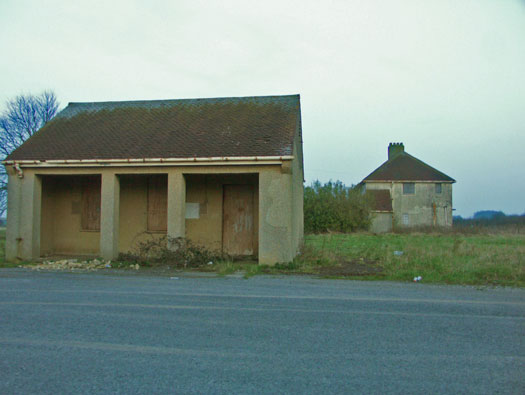
107 - Wardens Office, Canteen & Cycle shed - PB - 3693/37?
108 - Married Wardens Qtrs - PB - 1603/37.
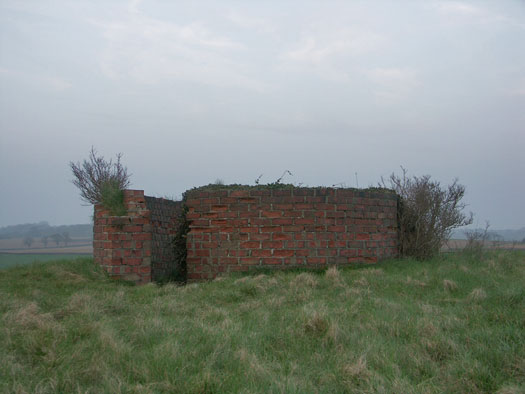
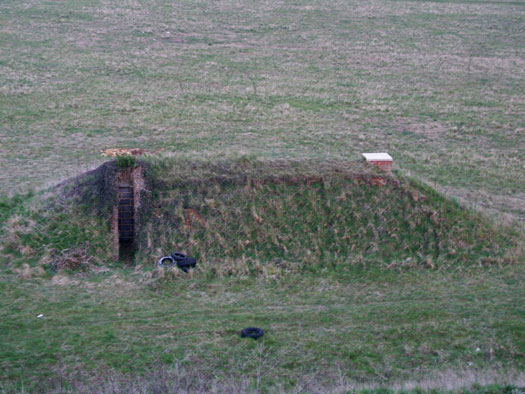
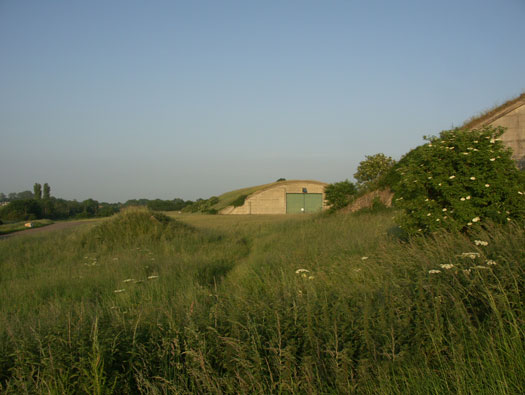
Air raid shelter.
Marsden Hut later build in St.
ASU - Aircraft Storage Unit.
Site Plan 2765/46
'E' Sheds at RAF Kemble.Aircraft storage.Aircraft storage.
RAF Hullavington
Site 'A' ASU
107 - Wardens Office, Canteen & Cycle shed - PB - 3693/37?
108 - Married Wardens Qtrs - PB - 1603/37.
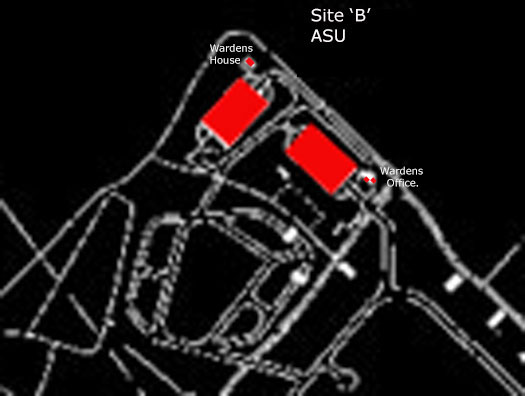
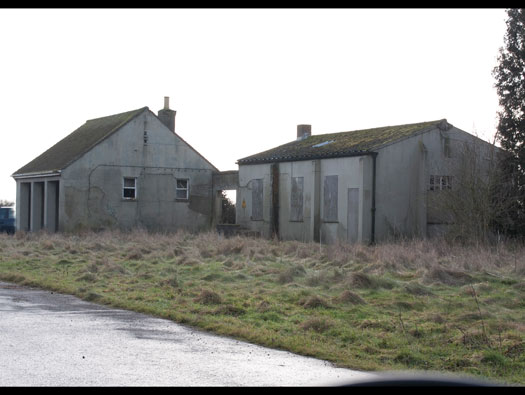
Two wardens and their families would be housed here and the office would be used to record aircraft & materials in and out of the site.
Site 'A' ASU
87/88 - Aircraft Shed ('E' type) - Con - 7305/37.
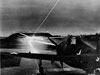
These sheds, hangars were still being called sheds up until 1940, and then they changed to Hangars. Hangar is French for large shed. Note on the top of this shed there is an anti aircraft position.
20 March 2005
details
RAF Hullavington
Site 'A' ASU
87/88 - Aircraft Shed ('E' type) - Con - 7305/37.
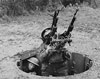
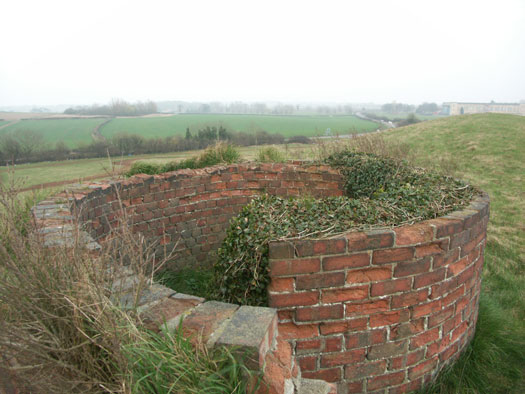
The shell layout anti aircraft gun position.
20 March 2005
detailsIt could have been a twin Vickers gun.
RAF Hullavington
Site 'A' ASU
87/88 - Aircraft Shed ('E' type) - Con - 7305/37.
20 March 2005
details
RAF Hullavington
Site 'A' ASU
Air raid shelter.
20 March 2005
details
RAF Hullavington
Site 'A' ASU
87/88 - Aircraft Shed ('E' type) - Con - 7305/37.
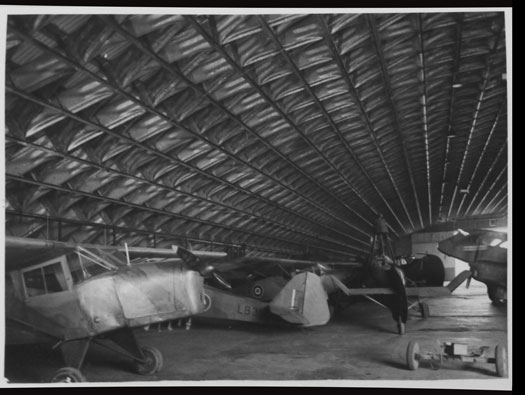
Aircraft storage area.
20 March 2005
RAF Hullavington
Site 'A' ASU
87/88 - Aircraft Shed ('E' type) - Con - 7305/37.
20 March 2005
detailsEmergency door.
RAF Hullavington
Site 'A' ASU
87/88 - Aircraft Shed ('E' type) - Con - 7305/37.
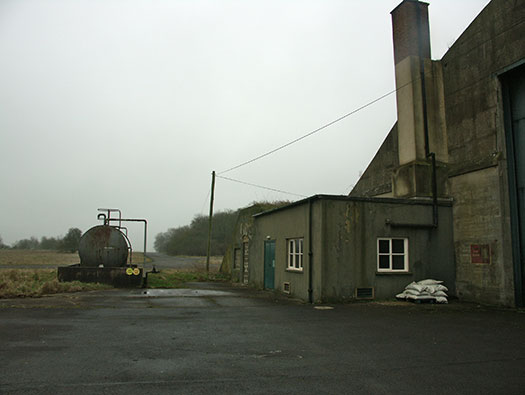
Heating plant at the rear.
20 March 2005
RAF Hullavington
Site 'A' ASU
87/88 - Aircraft Shed ('E' type) - Con - 7305/37.
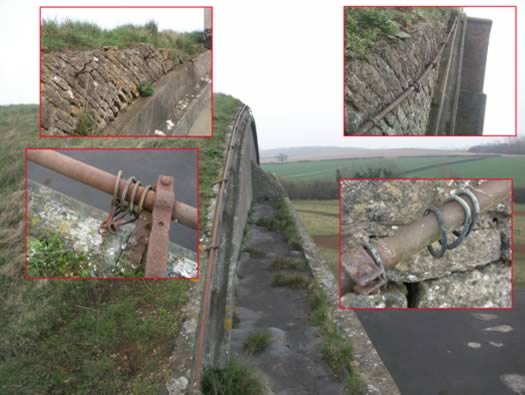
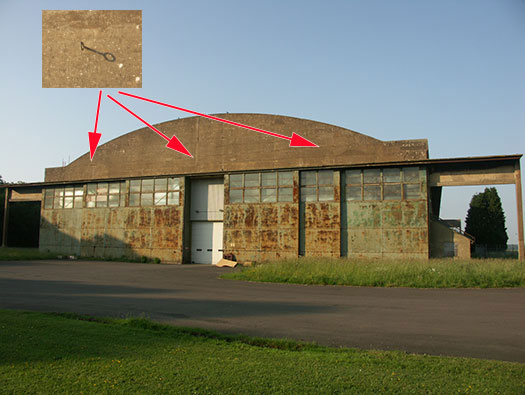
Camouflage netting rings still attached to the outer rim of the shed. The netting could be drawn open and then closed off, not to allow a shadow to be formed by the vertical front,
20 March 2005
RAF Hullavington
Site 'A' ASU
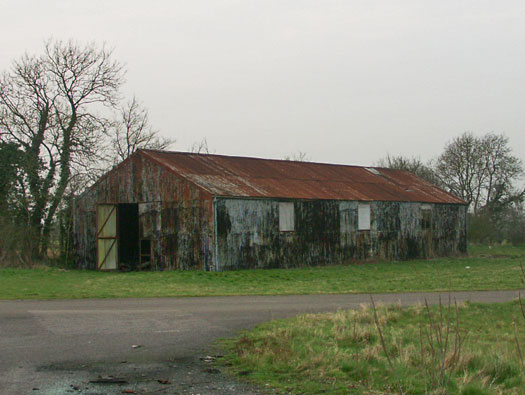
Marston Shed - wartime addition.
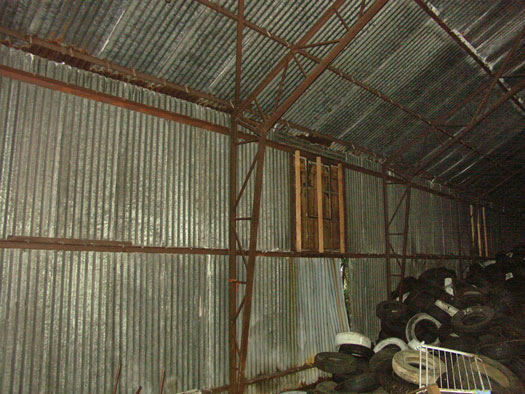
Probably used as storage for small items, tools and a workshop. Made of steel framed corrugated iron. Marston sheds can be found in Steel (St) as here, temporary brick (Tb) or Timber (T).
20 March 2005
RAF Hullavington
Site 'A' ASU
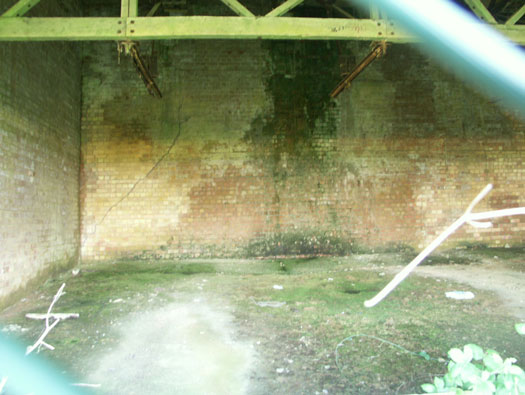
Marsden shed inside.
20 March 2005
RAF Hullavington
Site 'A' ASU
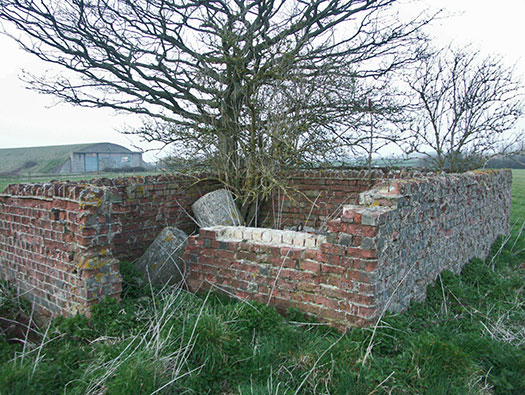
Air raid shelter, blast type. Probably covered an area where training aircraft parked and were operated from. About eight plans could have been here, the same by the watch office, etc.
20 March 2005
Tutor.Hart.Magestare.
RAF Hullavington
Site 'A' ASU
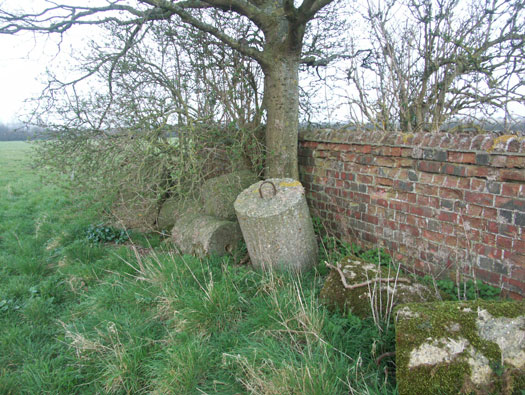
Aircraft tie downs, these would be placed under and aircraft and tied to the wing, undercarriage. Preventing it blowing away.
04 July 2006
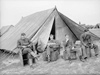
Aircraft tie downs.Tents would have been used extensively around the airfield for instant office space for flying instructors.
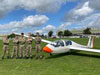
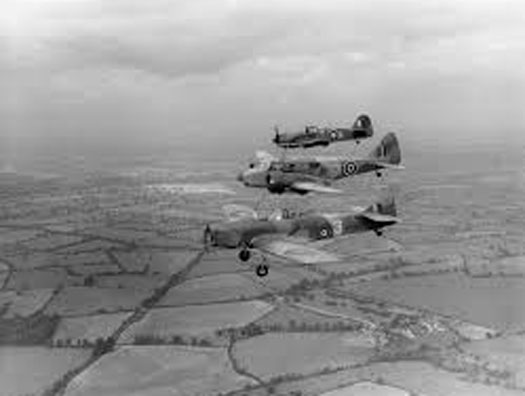
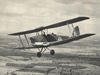
Three different aircraft used by the Empire Central Flying School here at RAF Hullavington.
Established in April 1942 the Empire Central Flying School (ECFS) was based at RAF Hullavington. With flying training taking place on such a vast scale the School worked to maintain and improve flying training standards at the flying schools operating throughout the world.
1945
RAF Hullavington
Site 'D' ASU
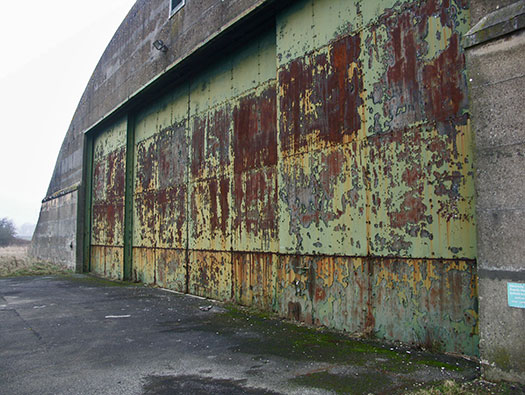
85/86 - Aircraft Shed ('D' type) - con - 2312/36.
The D type aircraft shed had walls of 14inch reinforced concrete, six steel doors per end filled with gravel to make them bomb/splinter proof.
23 March 2011
RAF Hullavington
Site 'D' ASU
85/86 - Aircraft Shed ('D' type) - con - 2312/36.
The hooks on the walls are to hold camouflage nets to cover the shadows thrown by the hangar.
23 March 2011
Camouflage netting.details
RAF Hullavington
Site 'D' ASU
85/86 - Aircraft Shed ('D' type) - con - 2312/36.
Heating plant for the two hangars.
23 March 2011
Boiler man.
RAF Hullavington
Site 'D' ASU
85/86 - Aircraft Shed ('D' type) - con - 2312/36.
23 March 2011
RAF Hullavington
Site 'D' ASU
85/86 - Aircraft Shed ('D' type) - con - 2312/36.
19 June 2005
Dyson.Dyson.
RAF Hullavington
Dyson's new office space.
Dyson
RAF Hullavington
Site 'D' ASU
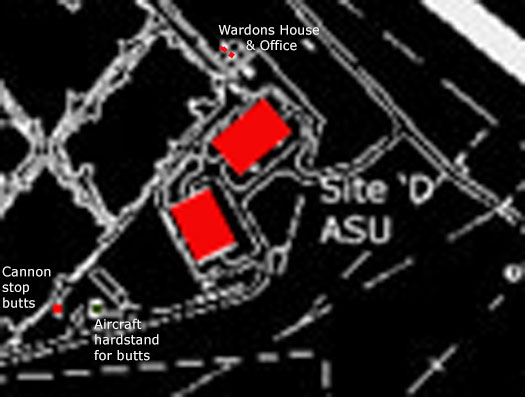
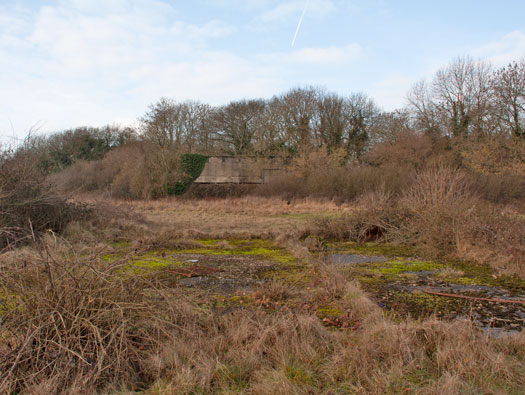
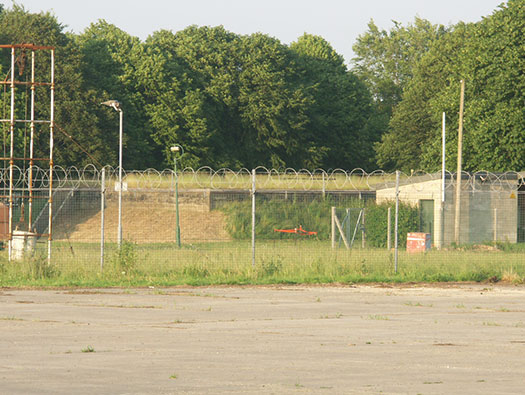
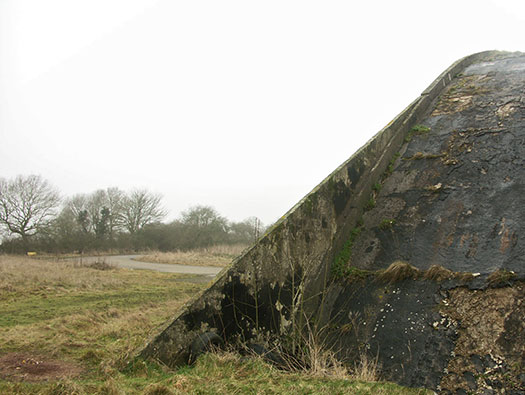
Cannon stop butts wartime addition. Standing on the concrete that a fighter plane would have sat, with its tail in the air, making the plane level to the butts in the distance.
04 July 2006
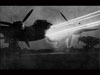
Spitfire testing its guns.Stop butts at RNAS Henstridge.Another Spitfire testing its guns.
RAF Hullavington
Site 'D' ASU
170 - Cannon Range - PB - 1231/41.
Cannon stop butts wartime addition. A better view of the stop butts in the edge of the wood.
23 March 2011
RAF Hullavington
Site 'D' ASU
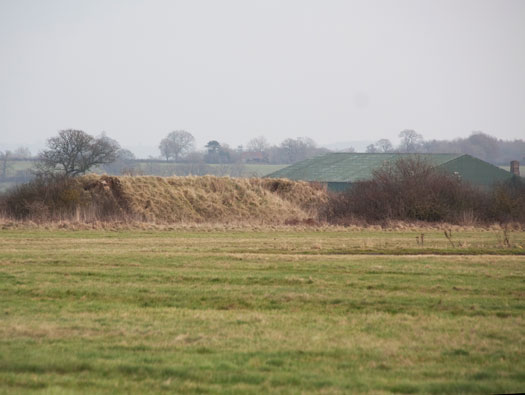
Cannon stop butts wartime addition.
19 June 2005
RAF Hullavington
Site 'D' ASU
Cannon stop butts wartime addition. This is where the sand would be piled up to take the bullets shot at it.
19 June 2005
RAF Hullavington
Site 'D' ASU
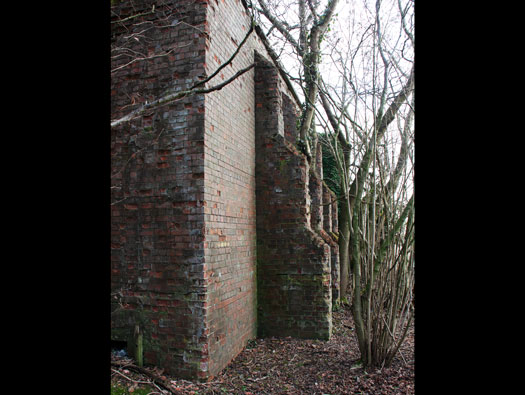
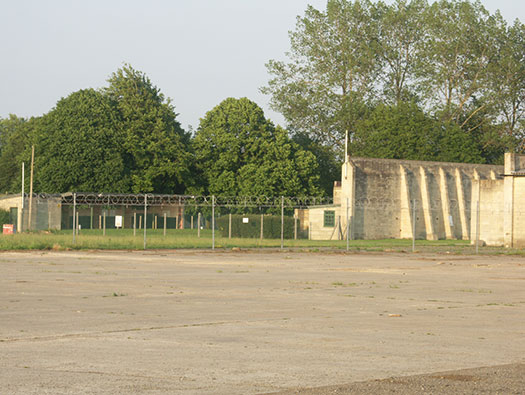
Cannon stop butts wartime addition. The buttressed side wall.
04 July 2006
Shoots to allow sand to be taken out and presumed sifted, bullets removed and re used?
RAF Hullavington
Site 'D' ASU
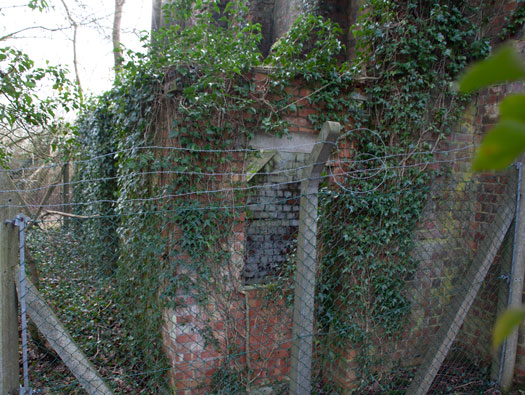
Cannon stop butts wartime addition. The office, store room and target making shed.
23 March 2011
RAF Hullavington
Site 'D' ASU
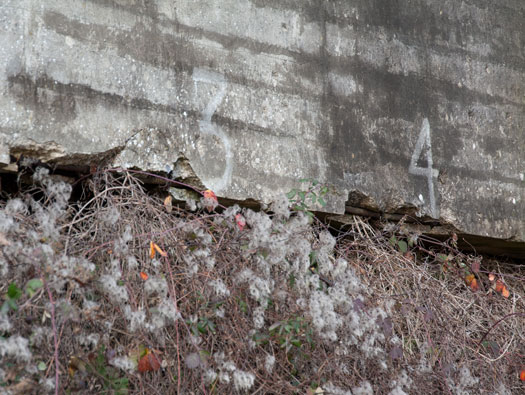
Cannon stop butts wartime addition. The numbers on the face still showing up.
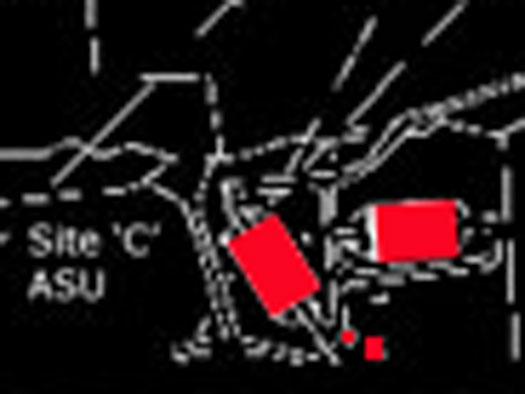
Site 'C' ASU
91/92 - Aircraft Shed (Type 'E') - Con - 7340/37.
19 June 2005
RAF Hullavington
Site 'C' ASU.
91/92 - Aircraft Shed (Type 'E') - Con - 7340/37.
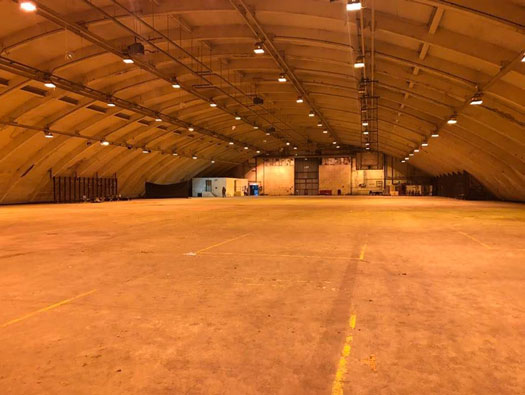
The 'E' shed has smaller doors because it was mostly used for aircraft with their wings removed. It makes storage easier.
19 June 2005
RAF Hullavington
Site 'C' ASU.
91/92 - Aircraft Shed (Type 'E') - Con - 7340/37.
19 June 2005
Aircraft maintenance.Harvard's stored wingless.
RAF Hullavington
Site 'C' ASU.
91/92 - Aircraft Shed (Type 'E') - Con - 7340/37.
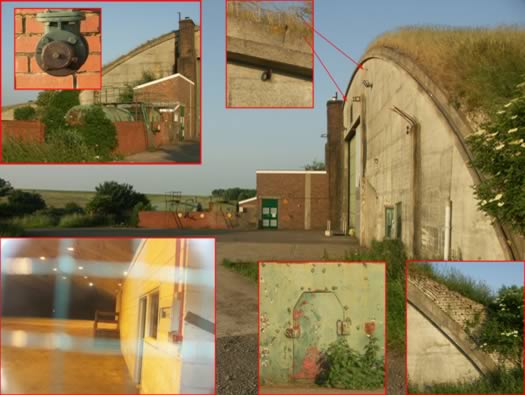
Clock wise:
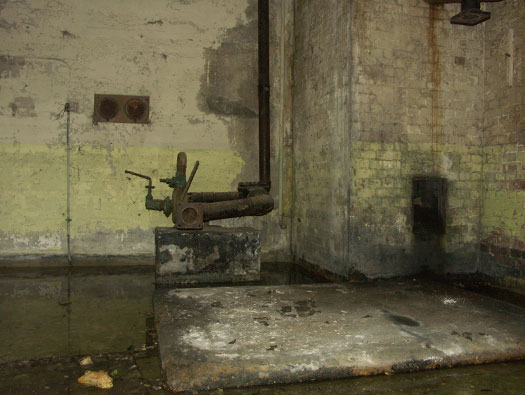
The heating plant and oil pipes.
Hooks for camouflage nets.
The escape door in the main door.
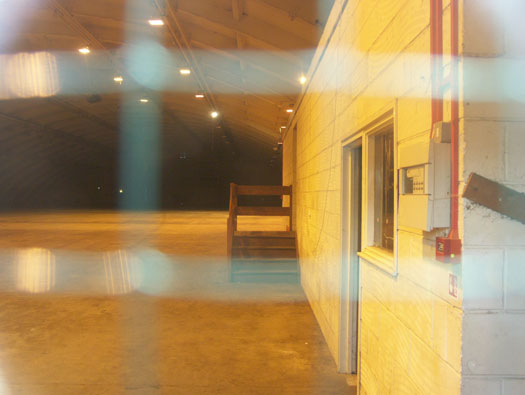
View inside.
04 July 2006
RAF Hullavington
Site 'C' ASU.
91/92 - Aircraft Shed (Type 'E') - Con - 7340/37.
04 July 2006
Hawks in storage at RAF Shawbury.
RAF Hullavington
Site 'C' ASU.
91/92 - Aircraft Shed (Type 'E') - Con - 7340/37.
Tony Nicholson Facebook
RAF Hullavington
Site 'C' ASU.
91/92 - Aircraft Shed (Type 'E') - Con - 7340/37. Air raid shelter.
04 July 2006
RAF Hullavington
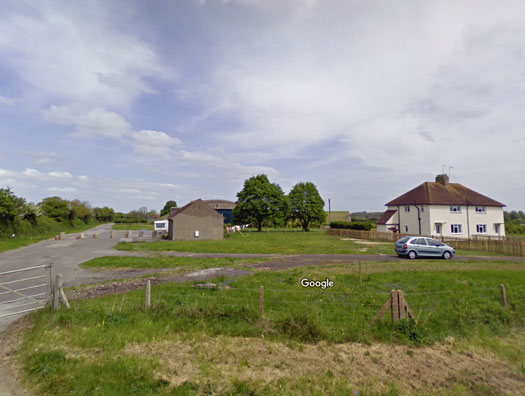
Modern small arms ammunition store.
On this site was the Pig farm, used by the RAF to grow meat for the RAF Mess's. Pig swill from the food waste was used to feed the Pigs.
04 July 2006
This is the entrance to the piggery. Many pre-war RAF stations had their own pigeonries to eat up all the slops/food left over from the dinning halls and canteens..
RAF Hullavington
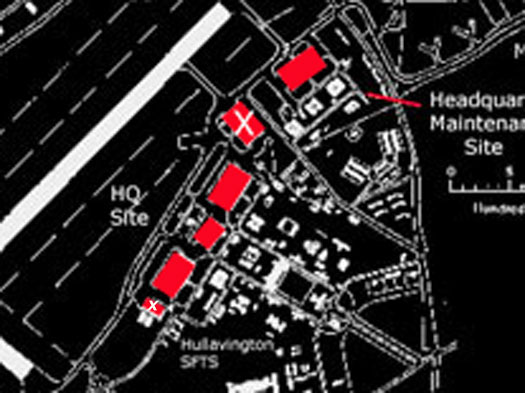
HEAD QUARTERS SITE
3 - Aircraft Shed (Type 'C') - PS - 2773/34 2029/34.
4 - Watch Office C.F.I. Block - PB - 1829/36?
6 - Aircraft Repair Shed - PB - xxxx/36.
7 - Aircraft Shed (Type 'C') - PS - 4637/35.
8 - M.G. Test Butt - PB - 7994/37?
14 - M.G. Range & 11yds Pistol Range - PB - 3479/35.
74 - Aircraft Shed ('C' Type) - Stone faced - 2023/35.
123 - Hangar Bellman - St - 8349/37.
M.U. SITE HQ
6 - Aircraft Shed 'C' Type - Stone faced - 3089/34.
X = removed.
C - type sheds all had different drawing numbers due to the fact that some had additional offices, amount of bays, workshop capacity, etc.
Site Plan 2765/46
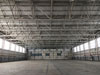
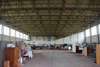
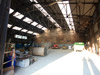
Inside an 'C' type shed.Door. 6 doors in standard type and 4 doors in the repair sheds.
RAF Hullavington
Flight line.
19 June 2005
RAF Hullavington
Flight line.
19 June 2005
RAF Hullavington
Right to Left:
3 - Aircraft Shed (Type 'C') - PS - 2773/34 2990/35?
PB/PS - Perminent Brick/Stone (here Bath stone).
? - The plan is not very clear when I place ? it says its the best I can do reading the plan.
19 June 2005
This is a copy of the plan showing how difficult it is to get the correct numbers.RAF Upavon.Door opening handle.
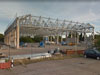
Six fully opening doors each end.Steel and wood roof structure.Norwich airport a 'C' type being dismantled.
RAF Hullavington
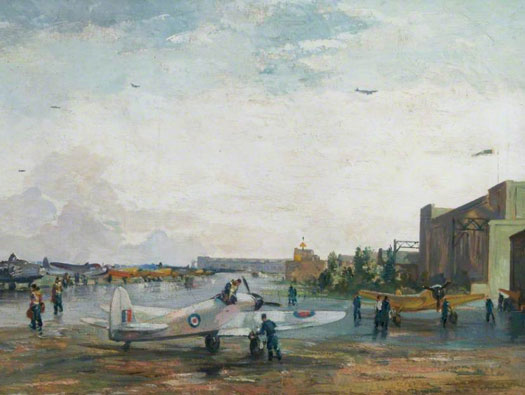
At the start of World War II, Cundall worked on short-term contracts for the War Artists' Advisory Committee before being given a full-time salaried commission as an Admiralty artist to work on Merchant Navy subjects. Cundall spent time on the Thames, the Medway and in the West Country working on this commission before, in 1941 he was assigned to the Air Ministry. He completed his Admiralty canvases whilst starting work on Bomber Command and Coastal Command subjects. He spent the first half of 1942 in Northern Ireland painting the American troops arriving there and worked in Scotland in September and October of that year. Cundall painted RAF subjects throughout Britain, worked on a major painting of the commemoration ceremony of the Battle of Britain for several months in 1943 and visited Quebec in 1944.[8][9][6] At the end of the war, King George VI purchased two of Cundall's paintings showing war-time activities in Windsor Great Park.[10]
Charles Cundall
RAF Hullavington
6 - Aircraft Shed 'C' Type - Stone faced - 3089/34. Aircraft repair shed.
4 - Watch office C.F.I. Block - PB - 5740/36.
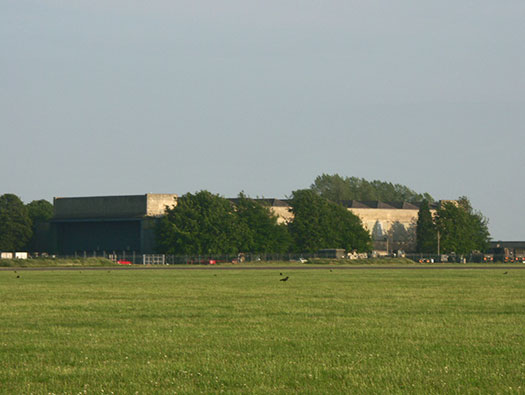
The main picture is a 'C' type shed, a standard type of protected hanger of the expansion period of the late 1930's. Faced with Bath stone and brick internally. This one has 11 sections in the roof.
There were four large 11 section bay 'C' type sheds and one 7 bay small 'C' type repair shed behind the Control Tower.
19 June 2005
The clock.
RAF Hullavington
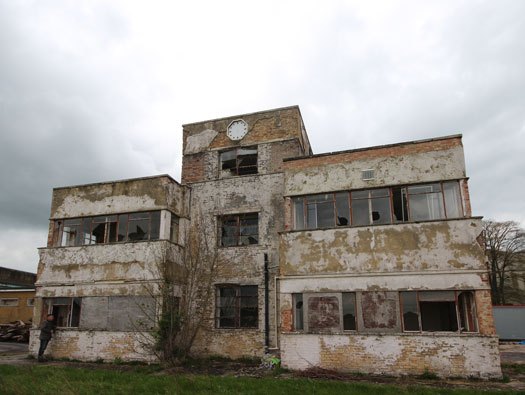
4 - Watch Office C.F.I. Block - PB - 1829/36?
CFI - Chief Flying Instructor, or God to a student. Within the building were offices for the CFI and his instructors and flying training would be run from here. disbursed around the airfield were several flight offices where the instructors could train a group of students, usually on Tiger Moths, but also many other types.
19 June 2005
DH Tiger Moth trainer.
RAF Hullavington
4 - Watch Office C.F.I. Block - PB - 1829/36?
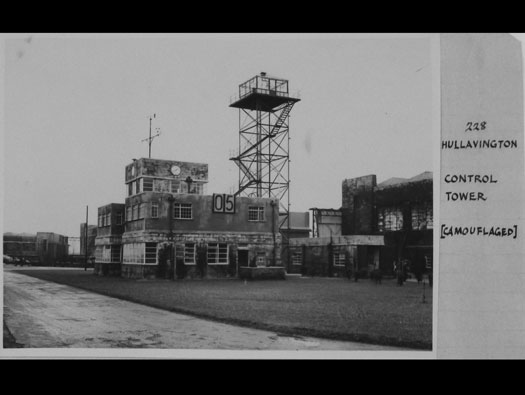
Unknown date but just post war, camouflage still painted and a separate control tower added behind. A few steps to climb.
AIR 20-7587
RAF Hullavington
4 - Watch Office C.F.I. Block - PB - 1829/36?
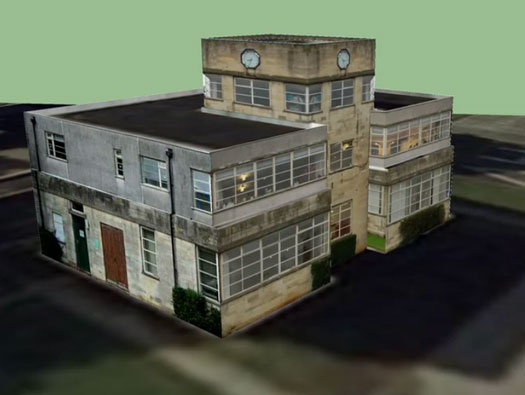
A 3D picture of the watch office.
3D Warehouse
RAF Hullavington
RAF Little Rissington, Gloucester
Watch Office 1936 Chief Flying Instructors Block, 5740/36
The link will take you too RAF Little Rissinton's watch office. Not exactly the same, but very alike.
RAF Little Rissington, Gloucester
RAF Little Rissinton's watch office.RAF Little Rissinton's watch office.RAF Little Rissinton's watch office.
RAF Hullavington
6 - Aircraft Shed 'C' Type - Stone faced - 3089/34. Aircraft repair shed.
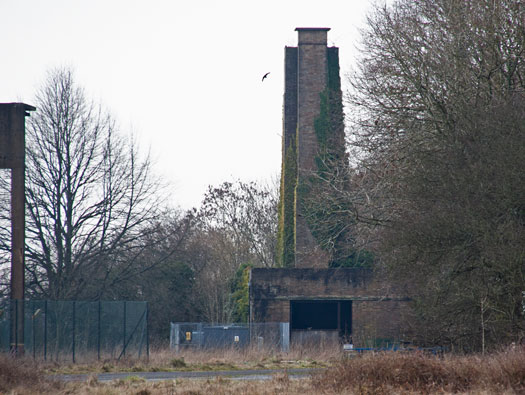
Behind the hangar is the water tower for the camps heating plant.
25 - Central Heating Station - PB - 982/25.
19 June 2005
A large RAF heating plant.Run on coal and then later on oil.
RAF Hullavington
7 - Aircraft Shed (Type 'C') - PS - 4637/35.
The trees were planted to soften and also a bit of camouflage.
19 June 2005
RAF Hullavington
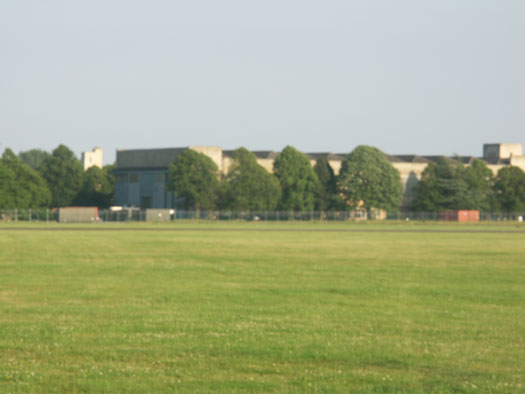
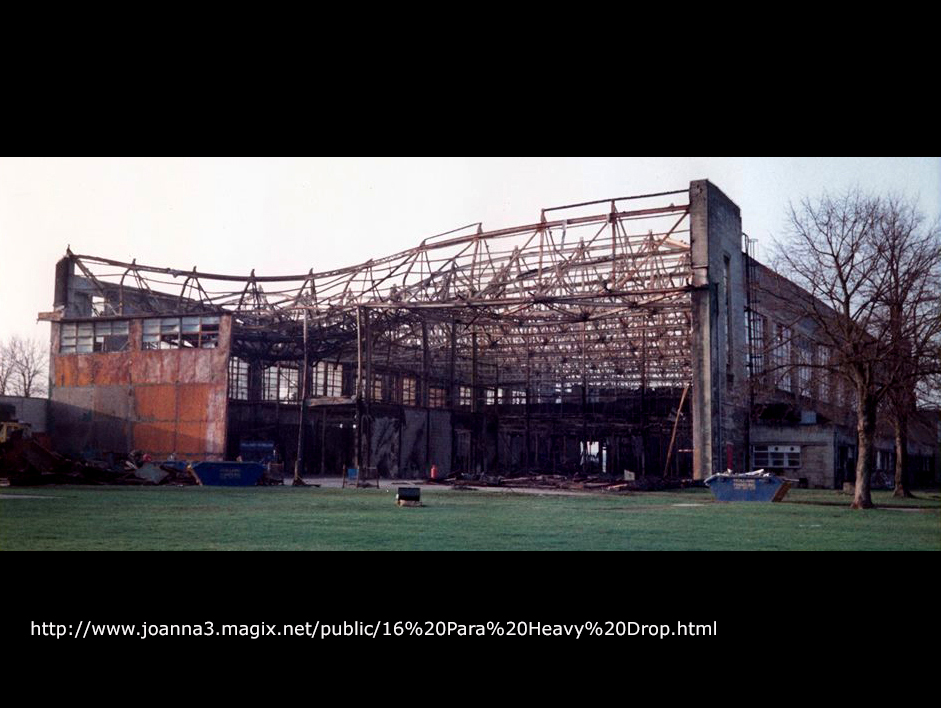
Hangar 4 'C' type caught fire and was removed.
The plan states its No.34 but I cannot find it in the Schedule. (34 states the Ambulance garage). Which its not.
19 June 2005
Towards the end of one Xmas/New Year, a squipper decided that direct action was the best option. He broke into the hangar and started a fire. He subsequently told his mate what he had done. A few days later, the arsonist and his friend were arrested. They admitted their offenses and pleaded guilty at court. The arsonist got 5 years' imprisonment and and his mate a £1000 fine. The fire destroyed the hangar and one third of all the armed forces' parachutes, at a cost of £20million. (pprune.org).
THE HISTORY OF 16 PARACHUTE HEAVY DROP COMPANY - RAOC 1961 - 1976 Information RAF Hullavington Details Hangar 4 'C' type caught fire and was removed. The plan states its No.34 but I cannot find it in the Schedule. (34 states the Ambulance garage). Which its not. Towards the end of one Xmas/New Year, a squipper decided that direct action was the best option. He broke into the hangar and started a fire. He subsequently told his mate what he had done. A few days later, the arsonist and his friend were arrested. They admitted their offenses and pleaded guilty at court. The arsonist got 5 years' imprisonment and and his mate a £1000 fine. The fire destroyed the hangar and one third of all the armed forces' parachutes, at a cost of £20million. (pprune.org).
RAF Hullavington
74 - Aircraft Shed ('C' Type) - Stone faced - 2023/35.
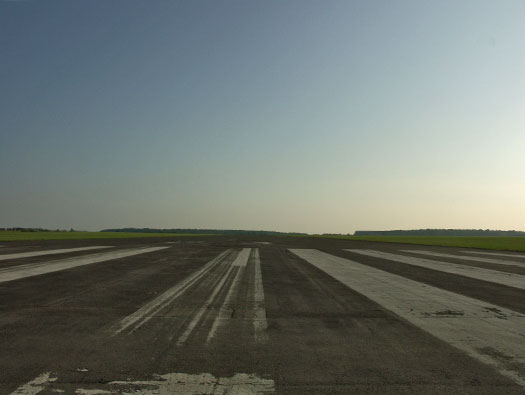
Also the end of the 06/21 main runway.
18 - Petrol Installation, Aviation (72,000gal) - 1980/34.
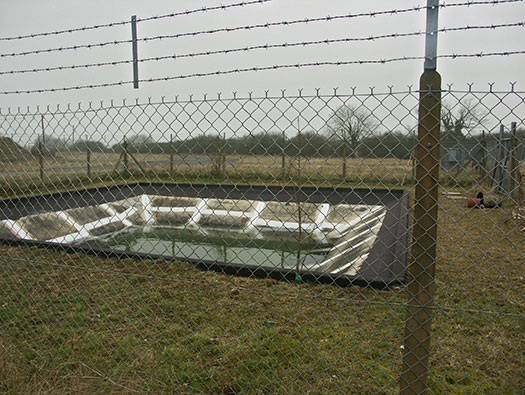
Static water tank (80,000 galls.).
19 June 2005
details
RAF Hullavington
14 - M.G. Range & 11yds Pistol Range - PB - 3479/35?
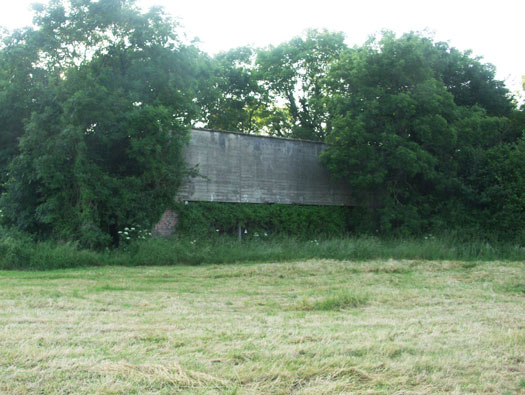
The butts on the left where you shoot from and the wall on the right with a buttress wall.
19 June 2005
Shooting butts.Plan.
RAF Hullavington
8 - M.G. Test Butts - PB - cannot read the number.
This is an aircrafts machine gun butts. A biplane and it was designed for a biplanes, would be positioned just back from the front. The now filled in wall would not be there. It was an open mouthed building, with a sand covered rear wall. The machine gun, again biplanes mostly only carried one or two machine guns set onto the body of the plane. Would be fired at a target and the gun adjusted the gun for accuracy. Below in the small pictures shows a Hawker Hector with its M.G. set into the body. The next picture showing a Hawker Hurricane and its guns were in the wings, so these butts would not be able to be used by later planes.
19 June 2005
How it looked..This is a Hurricane with its tail jacked up and testing the machine guns.Hawker Hector, the red line showing where the machine gun was located.
RAF Hullavington
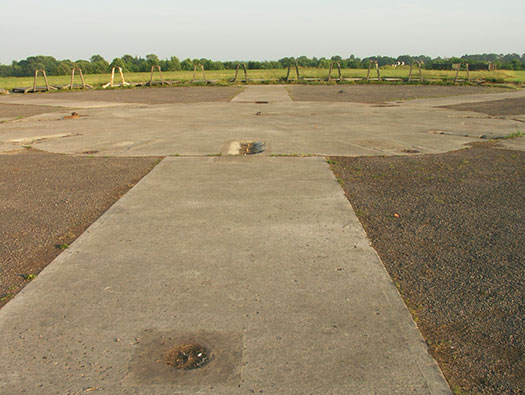
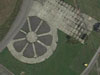
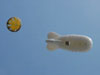
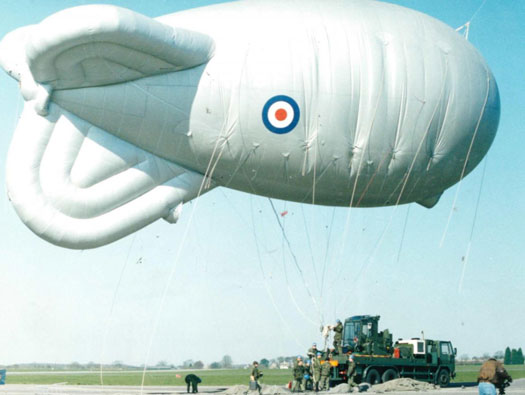
A cartwheel designed hold fast for a barrage balloon that was used for parachute training.
19 June 2005
The balloon concrete hold fast and the base of 121 - Hangar Bellman - St - 9349/37.A Bellman hangar and the Bellman under construction.
RAF Hullavington
Balloon Operations Sqn 1985 to 1995.
Wilts Gazette
RAF Hullavington
19 June 2005
RAF Hullavington
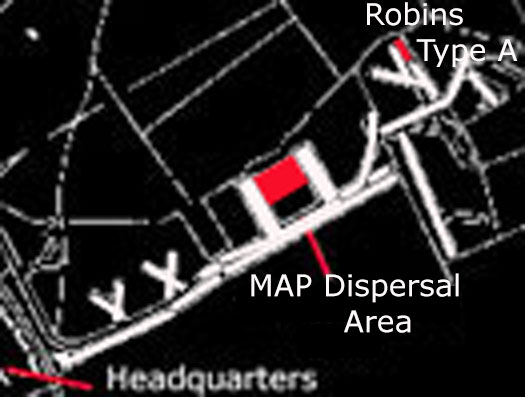
MAP Dispersal Area.
MAP - Ministry of Aircraft Production.
175 - Aircraft Shed (B1 Type) - St - no number.
207/209 - Hangar Blister (Extra Over type) - St - 12532/41.
Also;
1 x Robins type B. (pos a double in length). This is still in place but is not shown on the site plan.
MAP was a civilian Organisation and was tasked with repairing service aircraft to help out the RAF as it was being overwhelmed with battle damaged aircraft. The Robins hangar was used to service aircraft in storage.
Site Plan 2765/46
Robins type B.
RAF Hullavington
175 - Aircraft Shed (B1 Type) - St - no number.
20 March 2005
RAF Hullavington
175 - Aircraft Shed (B1 Type) - St - no number.
Air raid shelter.
Note the heating plant to heat the B1 hangar.