RAF Lasham
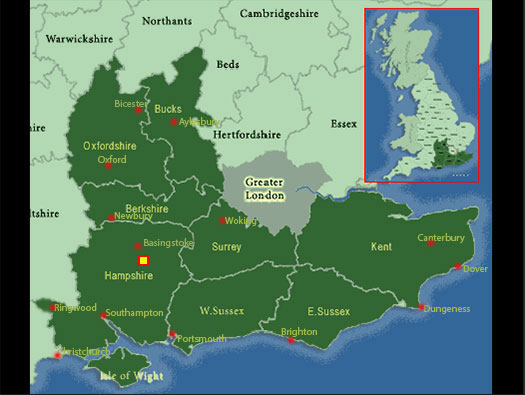
Details
The airfield's construction was undertaken by Irish labourers and Italian prisoners of war in 1942. This development led to the removal of a significant portion of the beech tree avenue, planted in 1809 by George Purefoy Jervoise of Herriard Park, intended to commemorate the Jubilee of George III in 1810.

The Beech Avenue painted by Thomas Hennell was destroyed in 1941/2 to build the airfield and the road re routed.
RAF Lasham
04 June 2006 - 1944
Details
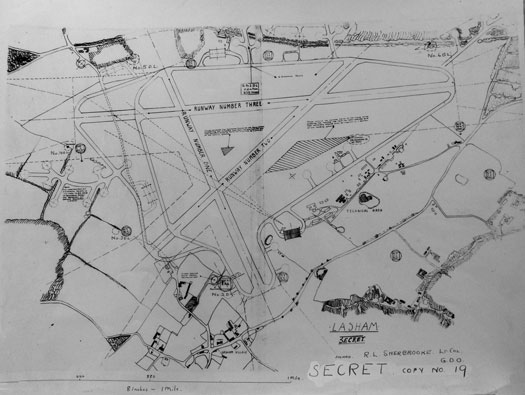
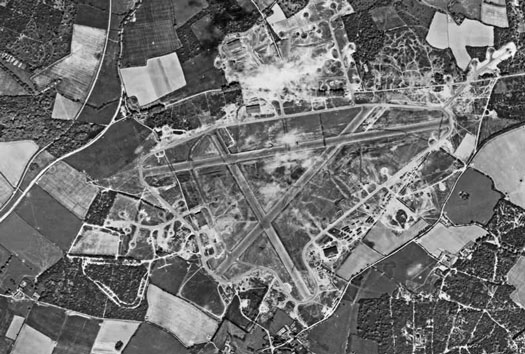
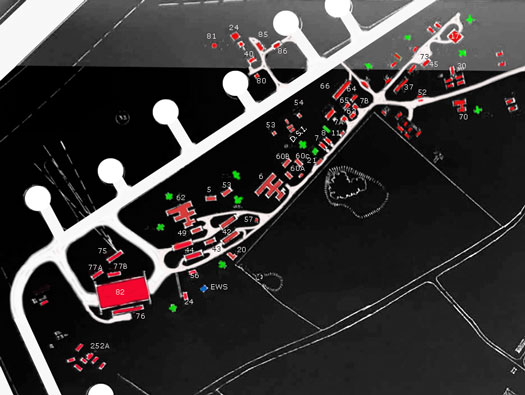
RAF Lasham plan and air photo.
RAF Lasham
04 June 2006 -------------------------------------------------------------- 1942
Details
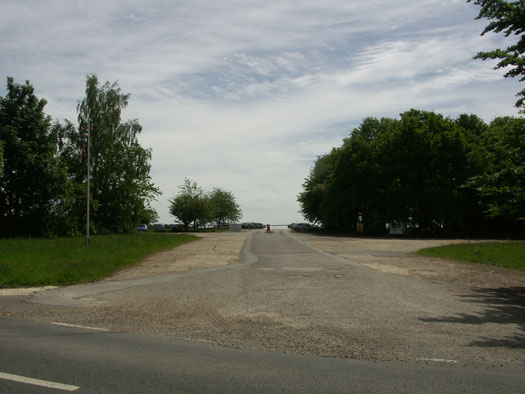
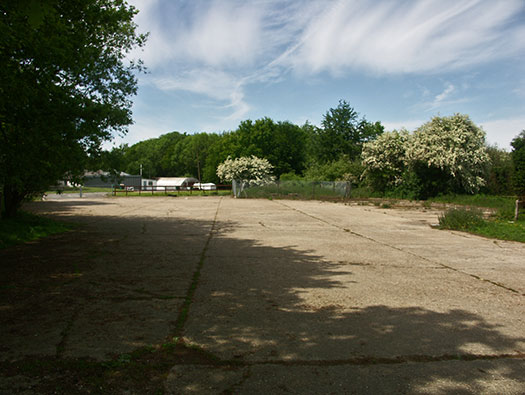
The main entrance now but was part of one of the three main aircraft dispersal areas.
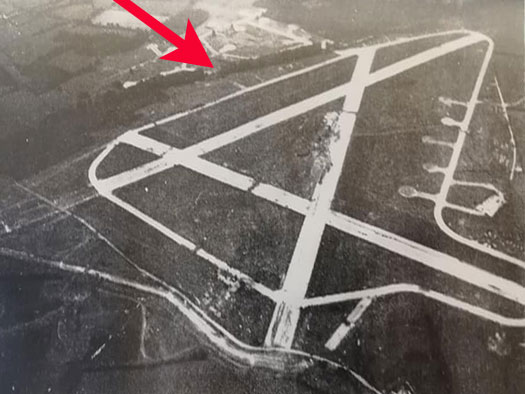
This is an air photos of 1942 with one T2 hangar base and five dispersals. Over the Avenue (main left to right road) two of the three dispersal areas are starting to be constructed, but not linked up yet.
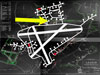
Plan.
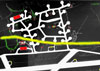
Plan - the Avenue in yellow.

125' bomber dispersal.
RAF Lasham
04 June 2006
Details
The first 125ft bomber "Frying Pan" circular dispersal No. HS25.
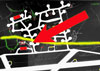
Plan.

125ft bomber dispersal.
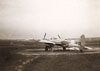
A Mosquito sitting on a "Frying Pan" dispersal.
RAF Lasham
04 June 2006
Details
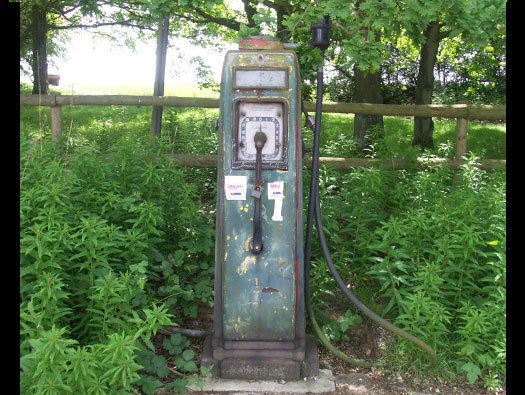
When I took this photo, I presumed that it was the MT area, in fact it was not as the MT was right across the airfield. It helps when you have a plan.
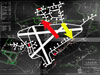
Red arrow is roughly where this pump is and the yellow arrow where the Motor Transport (MT) are was situated.

45 - MT shed (three bay) - TB - 12775/41. This is the type of MT shed that was situated by the yellow arrow.
RAF Lasham
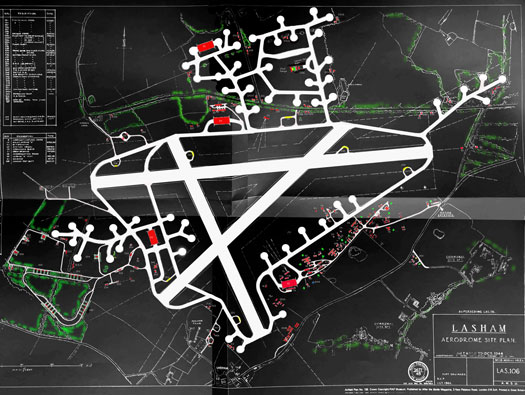
AM Site Plan 2977/48 1944
Details
AM Site Plan 2977/48 1944
4 x T2 hangars.
52 x 125ft bomber hard stands.
Designed as a satellite for RAF Aldermaston (bomber OTU) Building started in 1941 with four T2 hangars the usual 'A' class bomber station infrastructure and layout. Requirements changed as they do in war and nearing completion, the next change was to increase airborne forces in he south and Army Co-operation units. The first to arrive were Spitfires, then the early build up to D-Day. Large exorcises were being carried out and Lasham was used extensively for a series of exercises 'Spartan', of which there were many. This lead the way the RAF and Allies would fight the war into France and eventually Germany. The next arrivals were Typhoons and three squadrons arrived. They would go out over France and wreak havoc amongst the French railways, roadways, V sites and radar stations. The next group of aircraft to arrive were medium bombers. Mitchels and their job was low level bombing of France up an into Holland. After them it was a Mosquito Wing. They were used mostly on "Crossbow" targets, V1 & V2 sites.
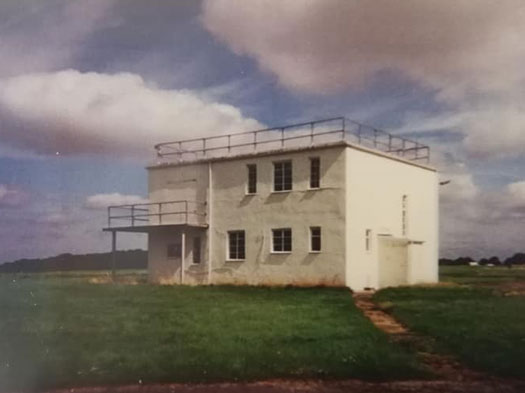
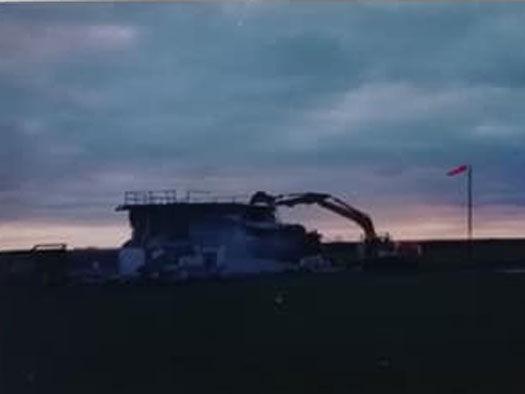
As the war ended the airfield went through the same changes as most of the airfields, here though. Gliding started and and it has become a centre for gliding, holding national & international events. Dan Air's maintenance used the fourth dispersal area and a redundant T2 hangar for their servicing and since their demise other firms have carried on, also the dismantling of large jets. So RAF Lasham survives, the control tower was removed, three of the four main dispersals are now back to faring or industry. The southern dispersal and the northern T2 hangar are completely turned over to gliding.

Spitfires, first visitors.

Lasham Gliding Society.
RAF Lasham
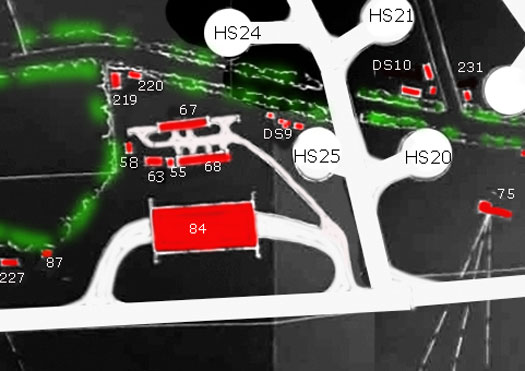
AM Site Plan 2977/48 1944
Details
55 - Technical Latrines RAF- TB - 9026/41.
58 - Technical Latrines WAAF - TB - 9026/41.
63 - Maintenance Block - TB - 6736/42.
67 - Maintenance & Armoury unit - N - 12777/41.
68 -
Maintenance Unit - N - 12777/41.
75 -
RDF Workshop - TB - 7352/42.
84 -
Aircraft Shed T2 - ST - 3125/43.
87- Transformer Plinth (M&E Plinth) - M.E.2034/41.
219/220 - SAA Store - 12725/41.
231
- Flame Float - 12725/41.
227 -
Pyrotechnics Store - 12725/41.
HS20 etc. all the aircraft dispersals had a plan number Hard Stand 20 etc.
DS9 - Dispersal Sites Numbers 1to17. Included Hut 36'x16', ARS & latrines.

Nissen hut.

227 -
Pyrotechnics Store - 12725/41.
Air intercept radar on a Mosquito.
75 -
RDF Workshop - TB - 7352/42.
RAF Lasham
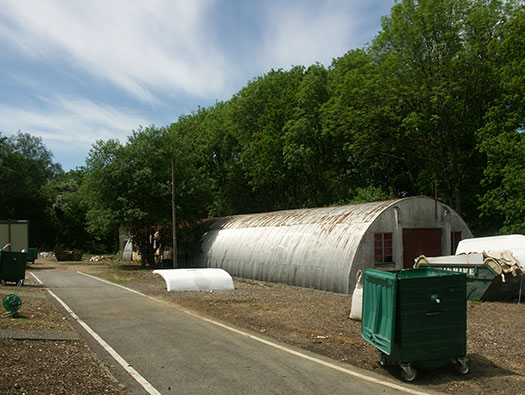
04 June 2006
Details
67 - Maintenance & Armoury unit - N - 12777/41.
The far end of the Nissen hut.
RAF Lasham
04 June 2006
Details
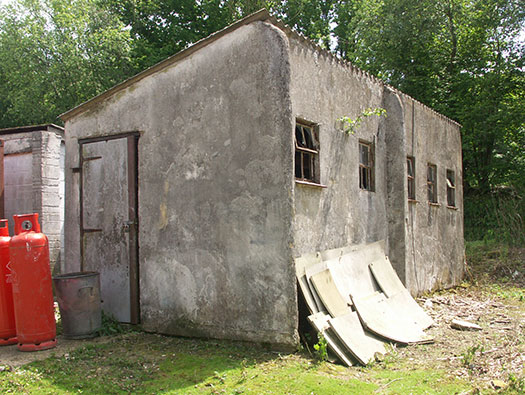
55 - Technical Latrines RAF - TB - 9026/41.

Plan of a 9026/41.
RAF Lasham
04 June 2006
Details
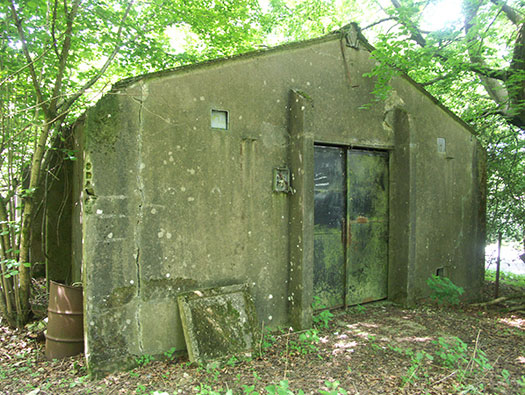
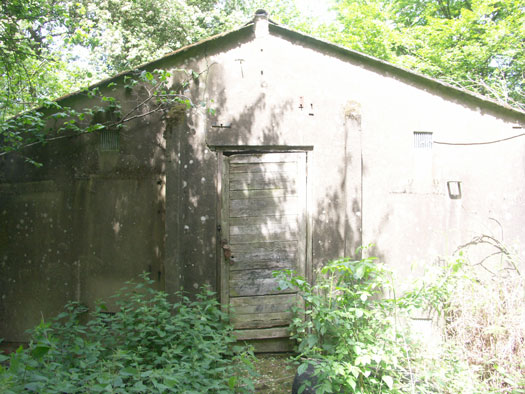
63 - Maintenance Block - TB - 6736/42.

TB Hut.

TB Hut.
RAF Lasham
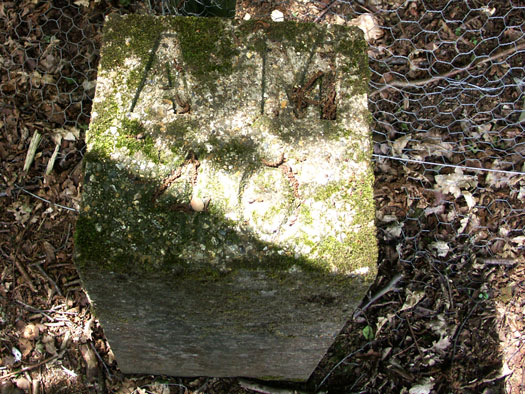
04 June 2006
Details
Air Ministry boundary stone No.40, I wonder where the others are/were.

Boundary Stone designs from AM 13-24 plan. A 1924 dated plan.

From Air 6/67 a 1967 dated plan.
RAF Lasham
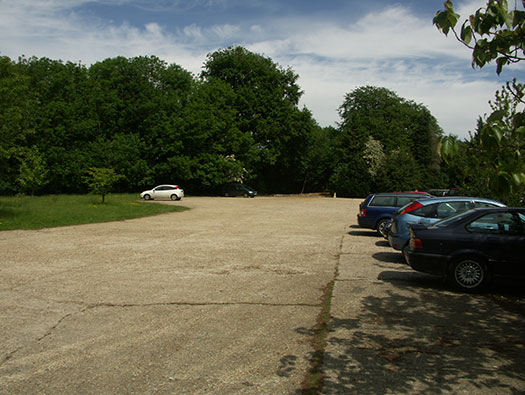
04 June 2006
Details
The second 125ft bomber "Frying Pan" circular dispersal No. HS20.
Plan.
RAF Lasham
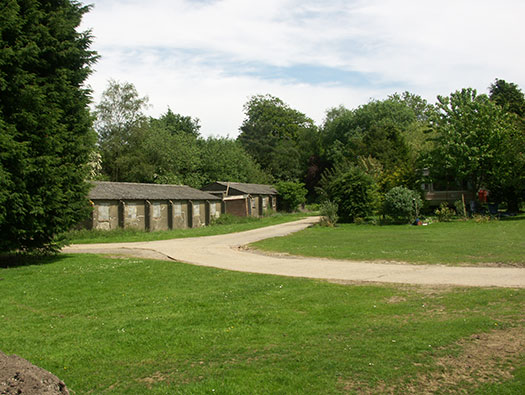
04 June 2006
Details
These two huts I cannot identify as the plans I have I cannot read the numbers, they maybe 77A & 77B - WT & Gun Cleaning Workshops - TB -8656/42.
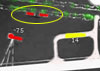
Yellow circle the two huts above.
75 -
RDF Workshop - TB - 7352/42.
14 -
Bulk Petrol Installation (Aviation) - 9535/41.
RAF Lasham
04 June 2006
Details
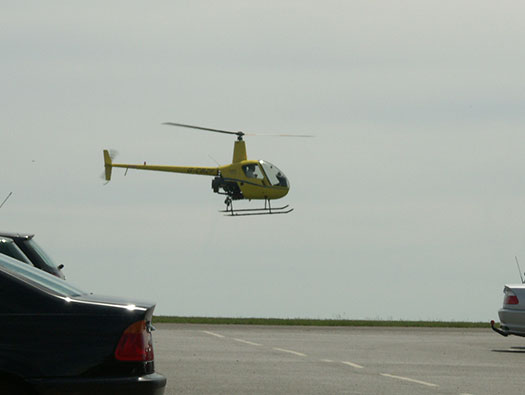
Robinson R22. G-CBZF.
The helicopter in the image is a Robinson R22 with the registration G-CBZF. The Robinson R22 is a two-seat, single-engined, light utility helicopter manufactured by the Robinson Helicopter Company. It is widely used for flight training due to its reliability and low operating costs.
RAF Lasham
04 June 2006
Details
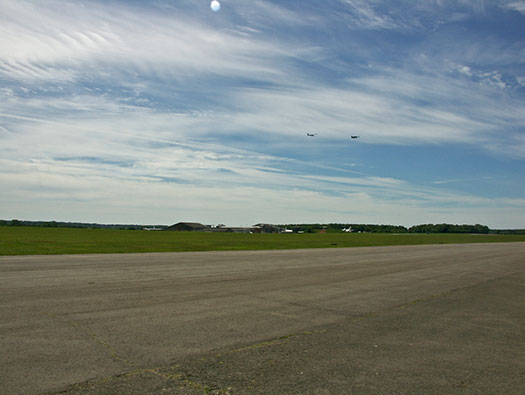
Looking out from the perimeter track across to the fourth dispersal site and where DAN Air Engineering was.
Plan.
RAF Lasham
04 June 2006
Details
RAF Lasham
04 June 2006
Details
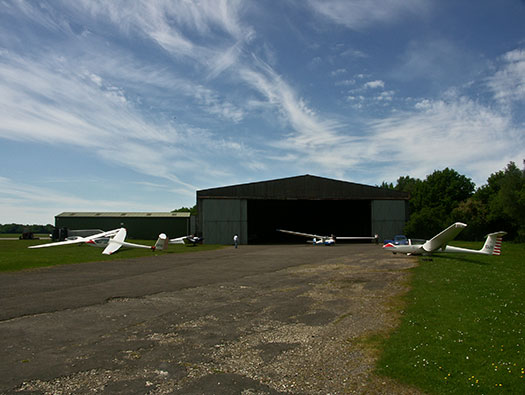
84 -
Aircraft Shed T2 - ST - 3125/43.
Lead off from the perimeter track a 50' wide roadway allowing the heavy bombers to use if needed.

Plan.

Frame built.

Hanging the doors.
RAF Lasham
04 June 2006
Details
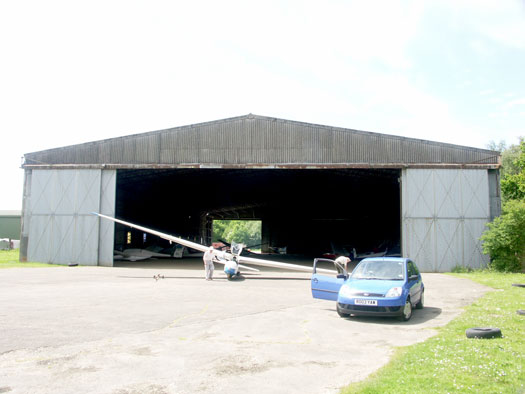
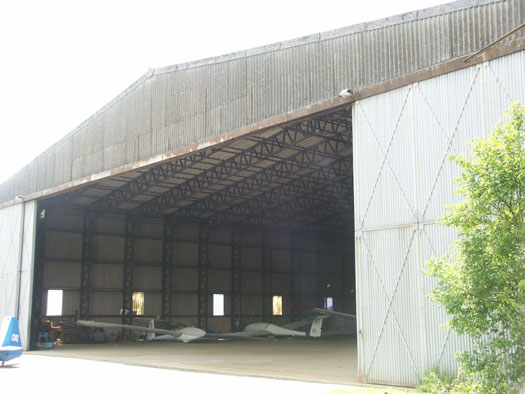
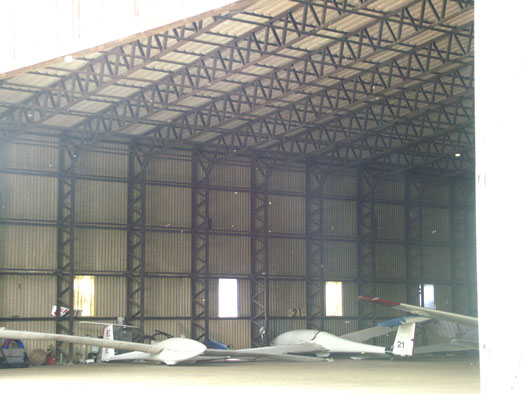
84 -
Aircraft Shed T2 - ST - 3125/43.
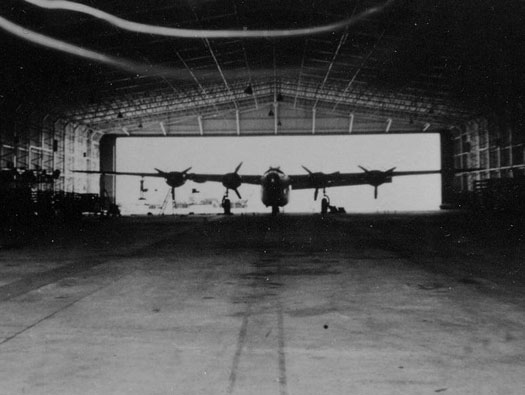
The glider wings just fit through
with four doors open, the next photo shows a Liberator just squeezing in (Not at Lasham).

Door runners missing from this hangar.
RAF Lasham
04 June 2006
Details
84 -
Aircraft Shed T2 - ST - 3125/43.
Hangar (French for shed) made of steel frame and usually sheeted in corrugated iron.
The sheeting on this one looks corrugated cement sheeting.

Corrugated cement sheeting.
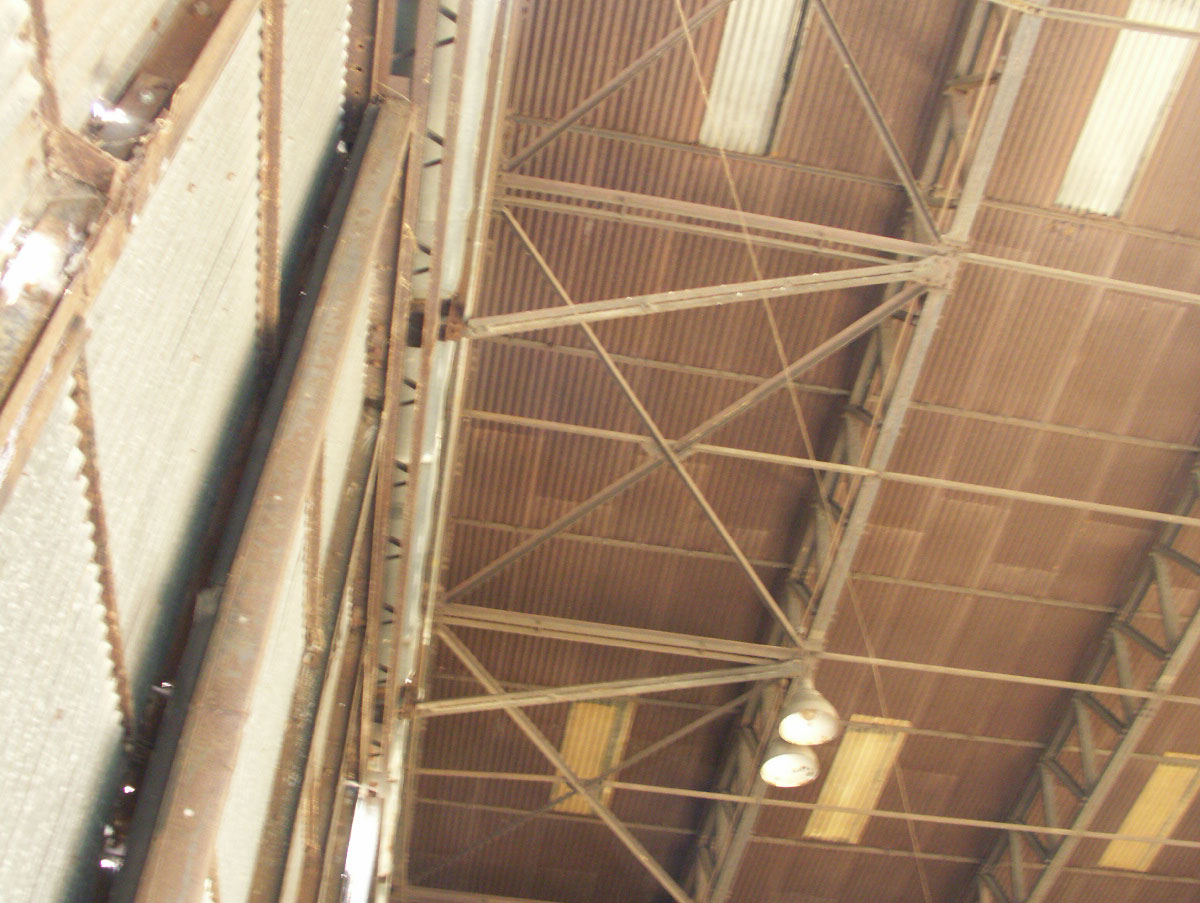
Wind end strengthening.

Steel uprights.
RAF Lasham
04 June 2006
Details
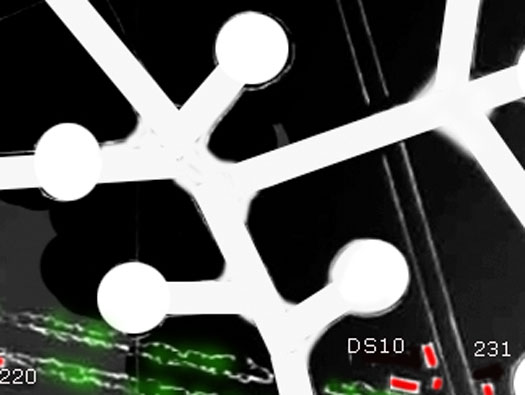
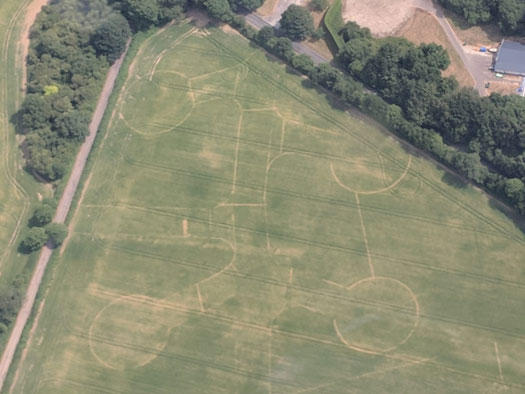
Plan of dispersals.
The history of Lasham Airfield has come out during the heatwave Picture SWNS Jordan Bridge
RAF Lasham
04 June 2006
Details
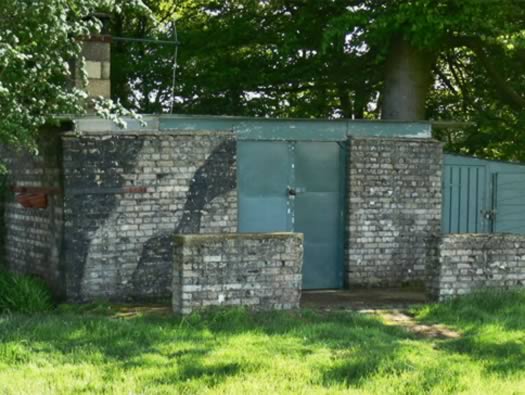
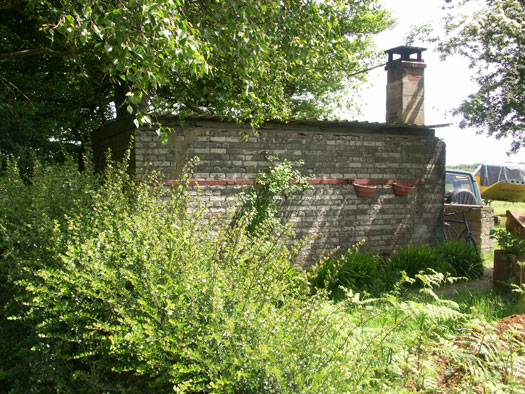
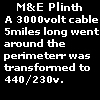
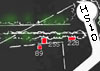
89 - Transformer Plinth (M&E Plinth) - ME2034/41.
228 - Pyrotechnics Store - TB - 12725/41.
255 - AA Tower.
HS10 - Hard stand.
Plan.
details
RAF Lasham
04 June 2006
Details
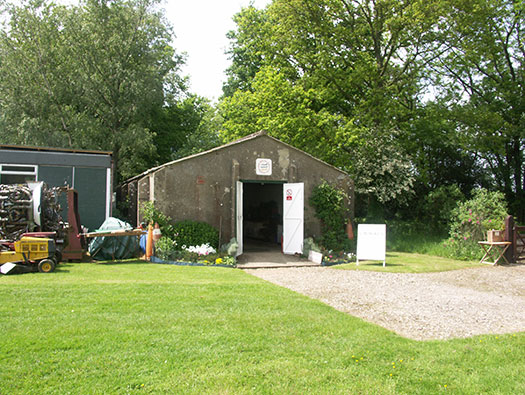
228 - Pyrotechnics Store - TB - 12725/41.
When an aircraft lands and is in a dispersal or needs to enter a hangar, all live ammunition and pyrotechnic removed for safety.
Inside the museum.
RAF Lasham
04 June 2006
Details
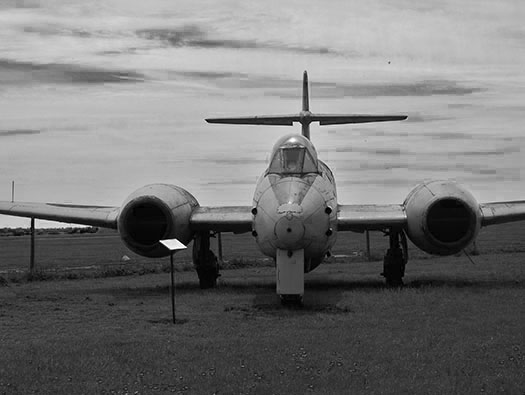
Gloster Meteor F.8 WH291.
C/N AW.5052.
Built 1951
During her flying career and while operated by the RAF Flying College at RAF Manby, she attended the 1962 Liverpool ‘At Home’ air show as part of a four aircraft team known as the RAF Manby Aerobatic Team.
Retired in 1976 as one of the last Meteors to leave RAF service, by 1980 she was on display at Lasham under the care of the Second World War Aircraft Preservation Society. The museum closed in 2009 and WH291 moved to Speke in March 2011. She is now owned by the Speke Aerodrome Heritage Group and on display behind the Crowne Plaza Hotel (Liverpool Speke Airport).
Speke, Liverpool, Merseyside, UK.
5th February 2019.
WH291 Timeline
19/11/1951 Issued to 257 Sqn RAF Wattisham.
18/06/1954 CAT 3 damage wheels up landing.
04/07/1955 Classified fit for service at 20 MU Aston Down.
05/01/1956 Moved to 33 MU Lyneham.
27/04/1956 Moved to 12 MU Kirkbride for checking prior to service.
16/05/1960 Issued to RAF Flying College (Later College of Air Warfare) Manby.
12/06/1961 CAT 3 damage repaired on site by 60 MU.
01/08/1962 Returned to service with CAW.
Around this time the aircraft was used a one of the aircraft in the Evergreens
Aerobatic Team made up from instructor pilots from CAW. It visited Liverpool Airport in May 1962 for the Liverpool "At Home" Airshow.
07/07/1965 Issued to 5 MU Kemble.
04/12/1965 Issued to 85 Squadron Binbrook.
30/04/1970 Issued to 5 MU Kemble.
20/10/1970 Issued to 229 OCU Chivenor.
10/02/1976 Struck off charge, sold to Ormand Hayden Baillie, stored Kemble.
15/05/1980 Now owned by R Cole, dismantled, moved to SWWAPS Lasham.
07/08/2010 Dismantled and moved to Booker.
23/03/2011 Transferred to Mike Davey and moved to Liverpool.
Credits: "Gloster meteor" by Phil Butler & Tony Buttler published by Aerofax 2006, Mike Davey for aircraft history and David Lindsay for text.

Aircraft Museum.
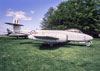
Gloster Meteor F.8 WH291.
RAF Lasham
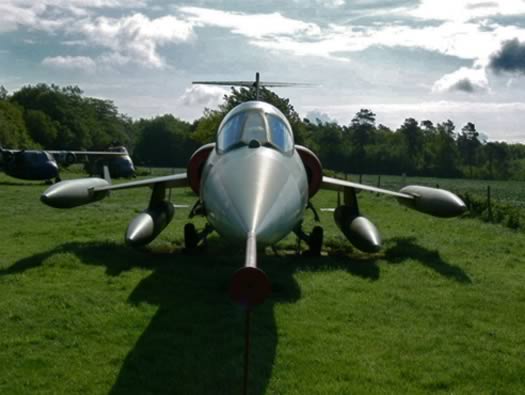
04 June 2006
Details
Lockheed (Messerschmitt) F-104G Starfighter, 22+35, 2235 Jagdbombergeschwader 34.
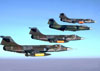
22+35, 2235 flying in Germany.
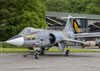
May still be at Bruntingthorpe, United Kingdom

Jagdbombergeschwader 34.
RAF Lasham
04 June 2006
Details
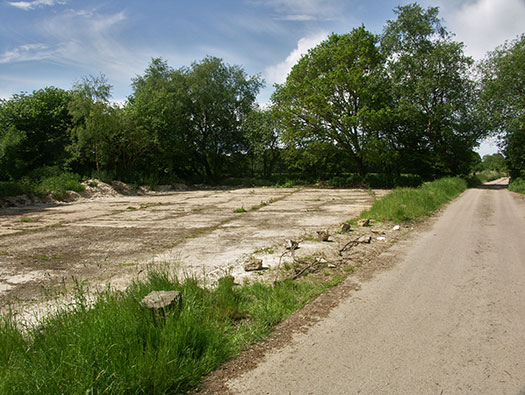
Hard Stand 10.
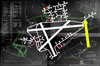
Plan
A Mosquito sitting on a "Frying Pan" dispersal.
RAF Lasham
04 June 2006 -------------------------------------- AM Site Plan 2678/48
Details
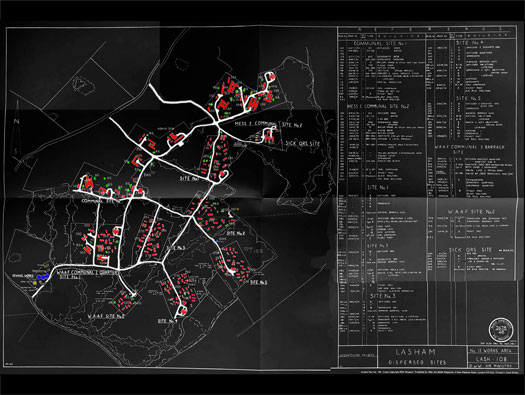
Dispersed Sites.
Officers Mess in 24' Nissen huts.

Sergeants Mess in 24' Nissen huts.
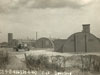
Sick Quarters in 24' Nissen huts.
RAF Lasham
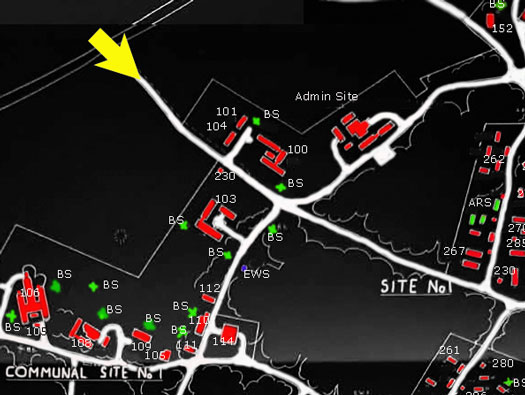
AM Site Plan 2678/48
Details
Dispersed Sites.
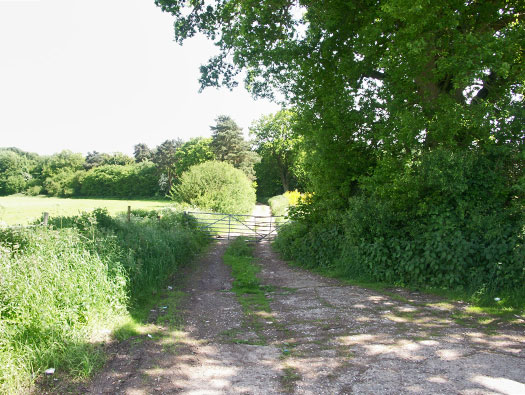
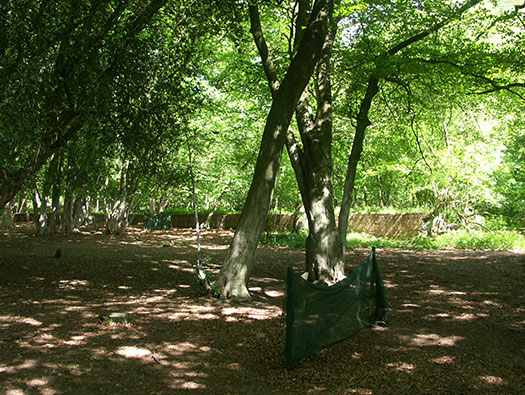
This is the area we visited, It was a long time ago and I cannot remember exactly the spot, but it was down this track.
Admin Site.
Site No.1.
100 - Officers Mess (65) - 12177/41.
101 -
Officers bath house (52-65) - 14438/41.
103 - Sergeants Mess (225) - 12771/41.
104 - Sergeants Showers - 14447/41.
105 - Boiler House (for officers & sergeants showers) 16301/41.
106 - Dining Room - 12772/41.
108 - Institute (140 Cpls. 800 a/m) - 13048/41.
109 - Grocery Store - 12178/41.
110 - AMs Combined Showers, Ablutions & Decontamination - 14432/41.
111 - Latrines - 14397/41.
112 - Medical Inspection - 12972/41.
114 - Fuel Compound (65'x54') - 9108/41.
115
- Standby Set house - 13244/41.
230 - Picket Post - 12404/41.
BS - Blast Shelter - 2360/41.
ARS - Air Raid Shelter.
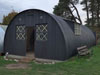
152 - C. O’s. Qrs. - 5774/42.
100 - Officers Mess (65) - 12177/41. May have looked like this.
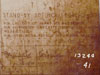
Standby Set house - 13244/41.plan.
RAF Lasham
04 June 2006
Details
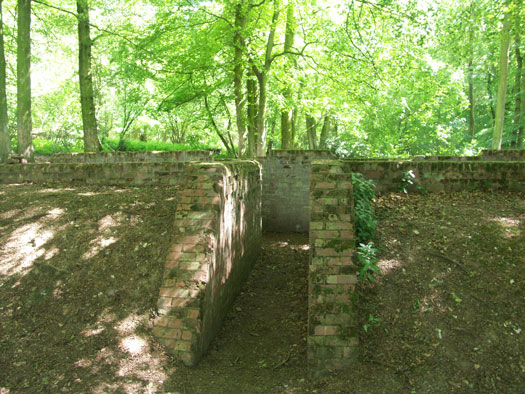
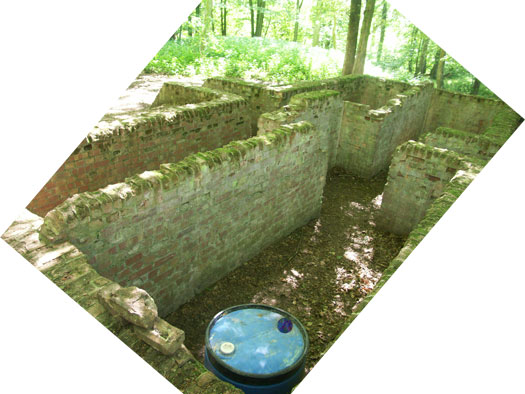
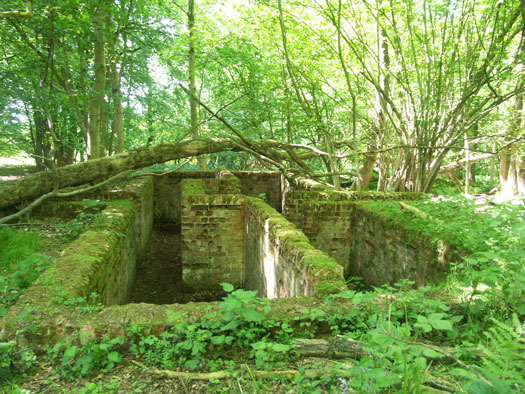
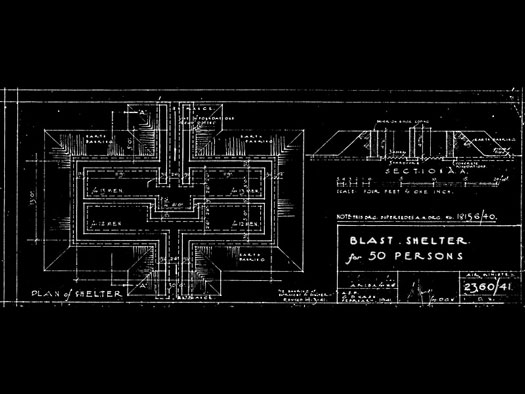
BS - Blast Shelter - 2360/41.
As the only items left are either air-raid shelters or blast shelters, if you count the amount left and multiply x 50, it gives an idea how many Men or Women would be living in the area. As there are about 12, that works out at 600.

BS - Blast Shelter - 2360/41.
RAF Lasham
04 June 2006
Details
The base of one of the very large buildings that were around here, it could have been 100 - Officers Mess (65) - 12177/41.
RAF Lasham
04 June 2006
Details
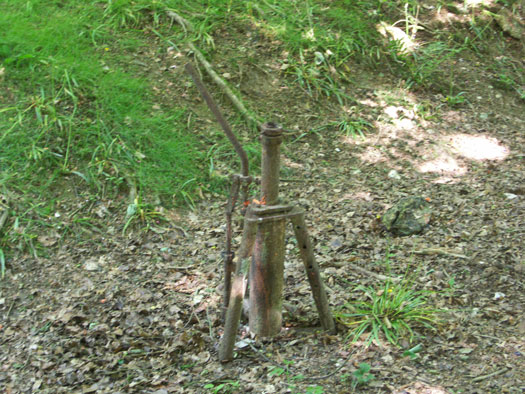
No idea what this was????
RAF Lasham
04 June 2006
Details
Blast shelter for 50 persons 2360/41.
RAF Lasham
04 June 2006 ---------------------------------------------------------- AM Site Plan 2977/48 1944
Details
1 - Watch Office - 13726/41.
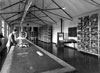
6 - Crew Rest, Locker & Drying Room - 15657/41.
33
- Compass Platform - 10934/40.
34 - Fire Tender House - 6752/42.
36 - F.L. Trailer & Tractor Shed - 18411/41
44 - Main Workshops - 5540/42.
45 -
MT Sheds (3 Bay) - 12775/41.
48 - N.F.E. Store - 12411/41.
49 - Parachute Store - 10825/42.
62 - Crew Rest, Locker
& Drying Room - 1452/42
80 - Balloon filling Hut - 3583/41.
81
- Sheave Streamer Mast (windsock) - 6742/41.
82 - Aircraft Shed T2 - 3128/43.
252A -
Contractors Hutting - LASH.104.
.

1 - Watch Office - 13726/41.

Crew Rest, Locker
& Drying Room.

Sleeve Streamer Mast (windsock).

Parachute Store - 10825/42.
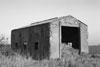
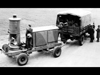
F.L. Trailer & Tractor Shed.
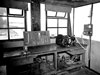
Main Workshops.
RAF Lasham
04 June 2006 ------------------------------------------------------------------- Unknown date PST war
Details
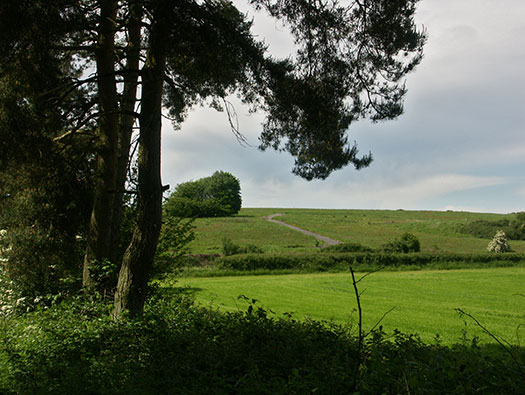
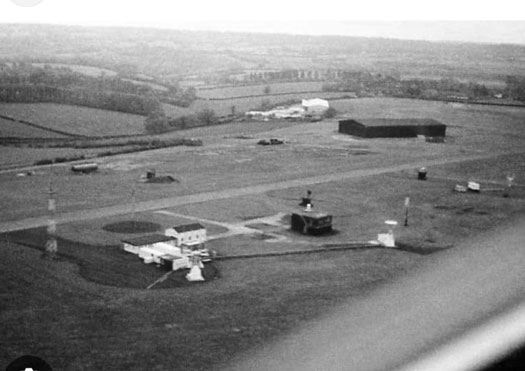
The view up to where the Airfield Site buildings would have stood.
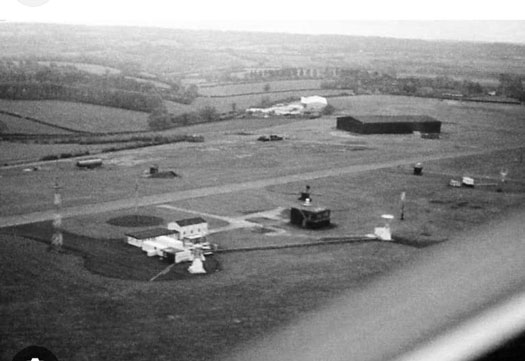
The area of the Airfield Site, with control tower, hangar, etc.
Spitfire.

Mitchell bombing up.


Typhoon.
RAF Lasham
04 June 2006
Details
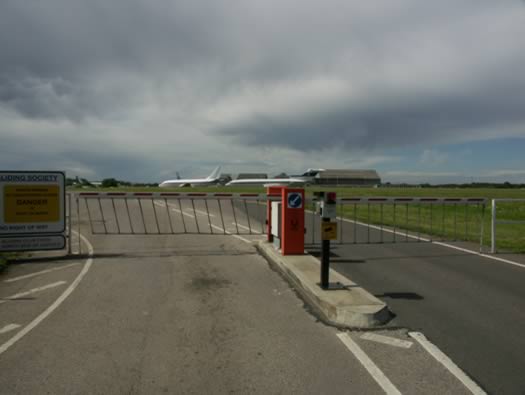
Main gate to once Dan Air.
RAF Lasham
04 June 2006
Details
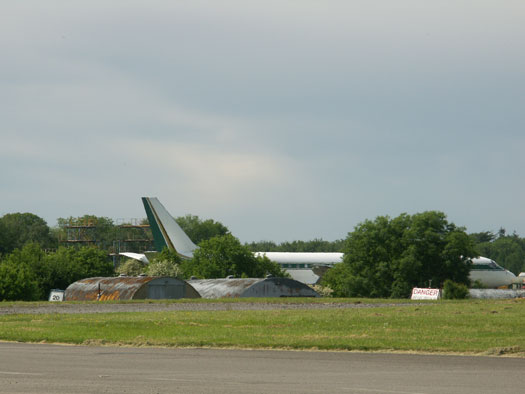
The two Romney huts have been moved here and may have been the Main Store & Main Workshop from he Airfield site.
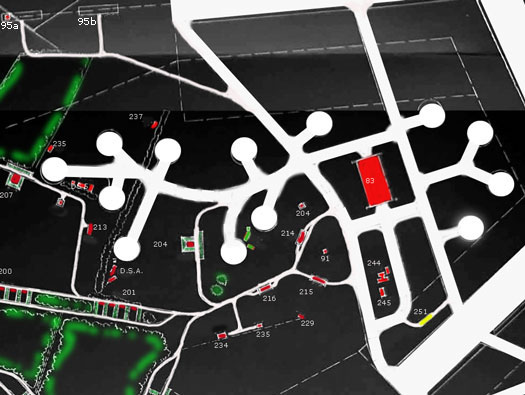
This area is the fourth of the aircraft dispersals.
83 - Aircraft Shed T2 - 3128/43.
956a/95b - Outer and inner Marker Beacon Plinths - ME 9709/41.
244 - Battle Head Quarters - 1108/41.
251 - Chance Light Standing - ACC/415/43.


244 - Battle Head Quarters - 1108/41.
251 - Chance Light Standing - ACC/415/43.
Chance Light.
83 - Aircraft Shed T2 - 3128/43.
RAF Lasham
18 November, 2008
Details
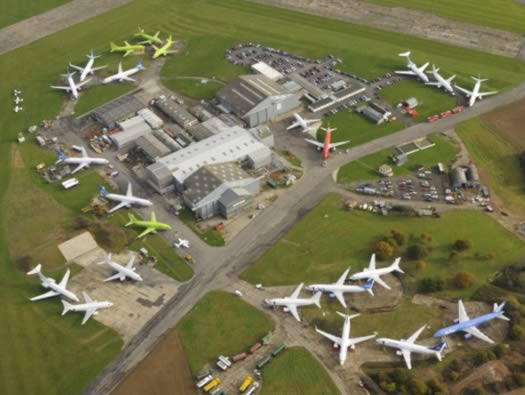
The graveyard where 'credit crunched' budget airlines send unwanted passenger jets.

244 - Battle Head Quarters - 1108/41.
RAF Lasham
04 June 2006
Details
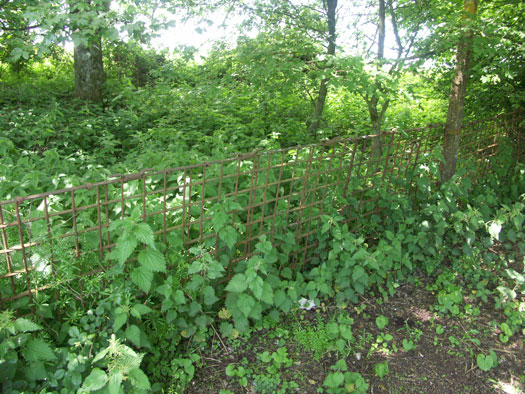
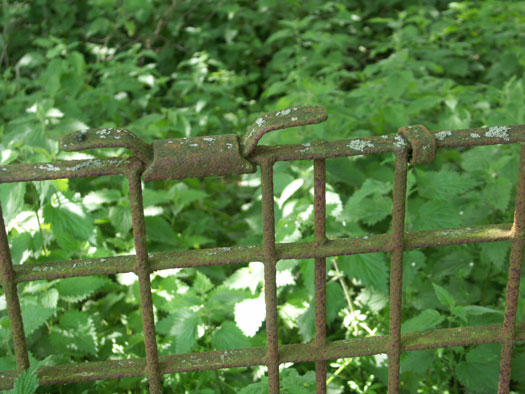
Bar & Track or Bar & Rod, I believe this is the type of airfield tracking this is, very hard to find information on this one.
What I think I have found out is that it was American design, its heavy, difficult and expensive to make. For that it looks a very good, strong design.
It would be laid flat and then the two sliding collars would clamp over the two Butterfly wing looking protruding brackets. These would mesh with the next one and so on. I believe these were used more for dispersals and hard standings rather than runway construction.

Bar & Track or Bar & Rod

Bar & Track or Bar & Rod
The two collars & the Butterfly brackets. This one is at Bryanston House, Blandford.
RAF Lasham
04 June 2006
Details
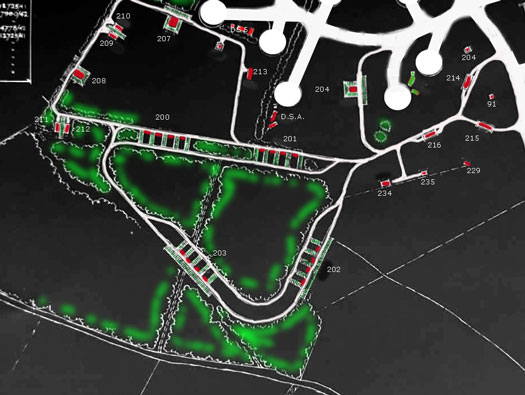
Bomb Store.
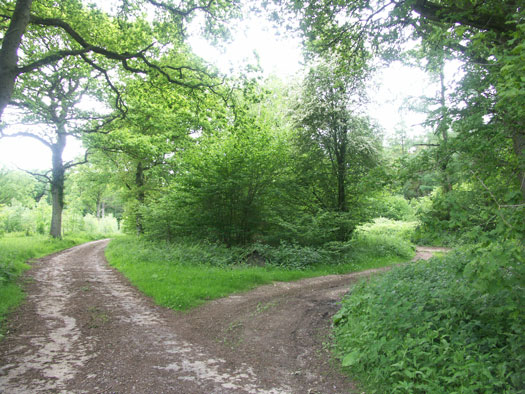
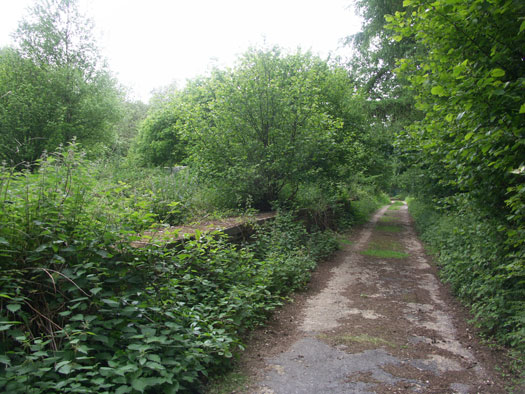
This is where the Bomb Store roadway splits to drive around the store area. One is the un loading road and the other the loading.
200to203 - Main Bomb Stores - 3164/42.
204 - Fused Spare Bomb Store - 4780/42.
208 - Fused Spare Bomb Store - 4780/42.
209/210 - Incendiary Bomb Store - 4734/42
211/212 - Incendiary Bomb Store - 4734/42
213 - Pyrotechnic Store - 12725/41.
214 -
Fuzing Point Building (Extra Heavy) - 7900/42.
215 - Fuzing Point Building (Extra Heavy) - 7900/42.
216 -
Fuzing Point Building (Heavy Light) - 7900/42.
229 - Grenade Store / 5495/42.
234 - Smoke Bomb Container Store - 15797/41.
235 - Smoke Bomb Store- ACC/173/42.
D.S.A
- Dispersed Site A. Hut 36'x16', ARS & Latrines.
Plan.
Bomb train.
RAF Lasham
04 June 2006
Details
201 - Main Bomb Stores - 3164/42.
RAF Lasham
04 June 2006
Details
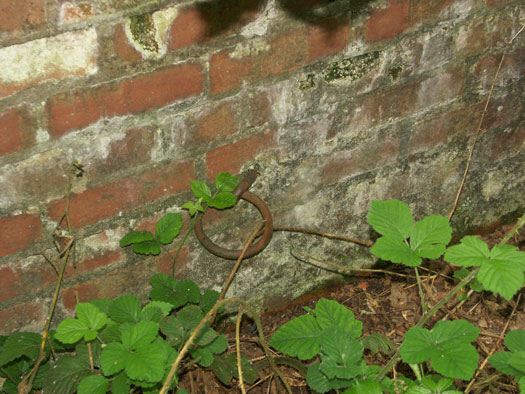
Trammel rings in the wall.
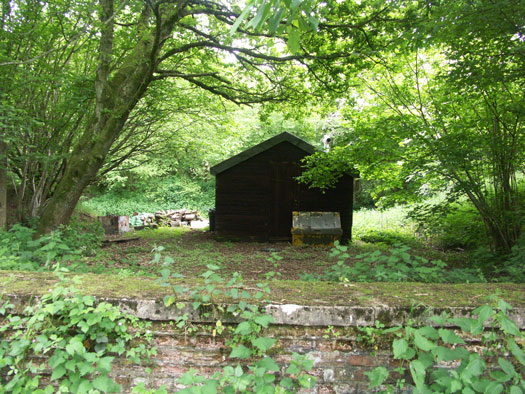
Bomb storage area.
Bomb handling.
Bomb loading.

Tail fin store.
RAF Lasham
04 June 2006
Details
211/212 - Incendiary Bomb Store - 4734/42
Road way.
details
details
RAF Lasham
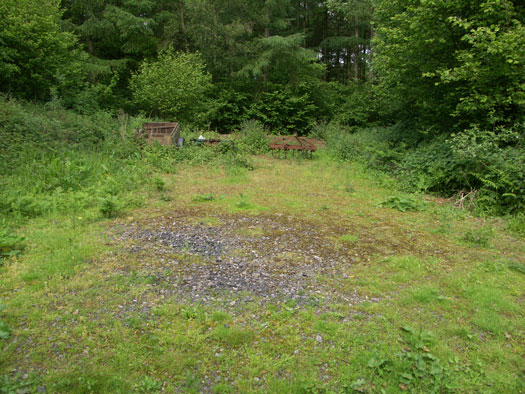
04 June 2006
Details
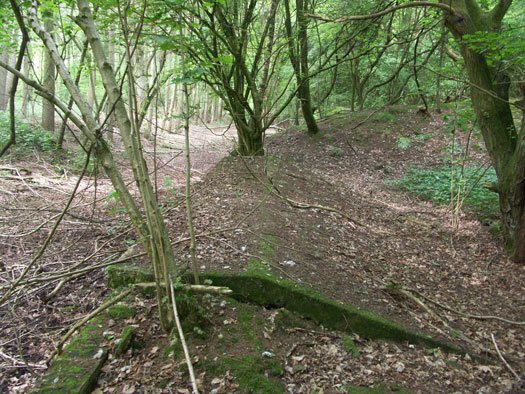
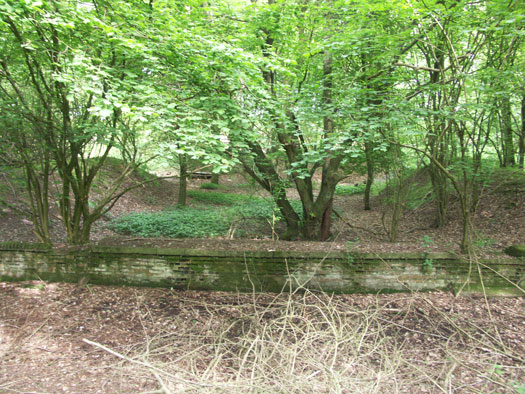
211/212 - Incendiary Bomb Store - 4734/42

Delivering bombs.
Storage.
Piles of bombs.
RAF Lasham
04 June 2006
Details
211/212 - Incendiary Bomb Store - 4734/42
Delivery.
Storage.

Collecting bombs.
RAF Lasham
04 June 2006
Details
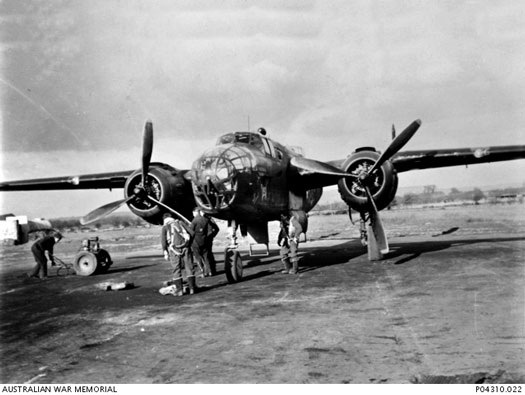
Air and ground crew of 226 Squadron Royal Air Force (RAF), preparing North American B-25 Mitchell. This is how it would have looked here.
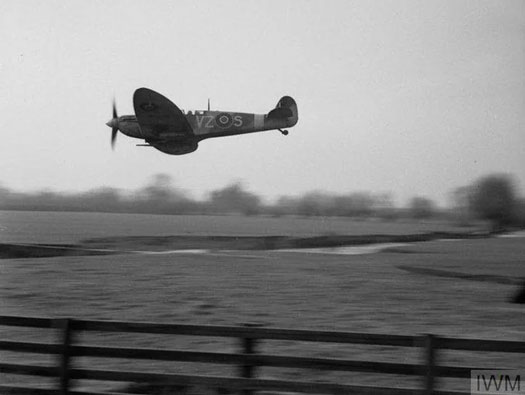
A low flying Spitfire of No. 412 Squadron RCAF based at RAF Lasham, Hampshire, during Exercise Spartan in the Thames Valley area, 9 March 1943.
From Flickr - warferry. Airworks.
RAF Lasham
04 June 2006
Details
1 - Watch Office - 13726/41.
80 - Balloon filling Hut - 3583/41.
81
- Sheave Streamer Mast (windsock) - 6742/41.
82 - Aircraft Shed T2 - 3128/43.
94 - Aircraft Signal Square.
252A -
Contractors Hutting - LASH.104.
.


1 - Watch Office - 13726/41 plans.

94 - Aircraft Signal Square.
81
- Sheave Streamer Mast (windsock) - 6742/41.
RAF Lasham
04 June 2006
Details
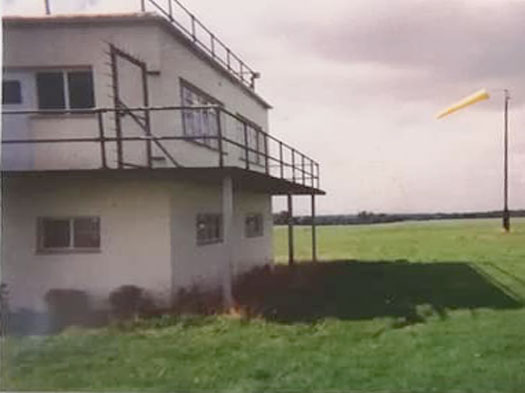
1 - Watch Office - 13726/41.
1 - Watch Office - 13726/41.
81
- Sheave Streamer Mast (windsock) - 6742/41.
RAF Lasham
2003
Details
Demise.
 Norway (coming soon!)
 France
 Great Britain








.jpg)