StP 74a Le Guay, pointe de La Percée.

Details
All along the Atlantikwall coast there were many radar stations. The stations were preferably placed on high cliffs, Arromanches, LeHavre and Fécamp. Just to name three. Sometimes they were Luftwaffe and others may be Marine (Navy). Here they were a mix of Marine sea watching radar and the Luftwaffe aircraft search radar. The Germans had quite sophisticated radars in a sense that the electronics were very well made. As for the Luftwaffe crew, they were not so good. To be in the Luftwaffe, the best were pilots, the rest were just ground crew. Training of Luftwaffe radar operators was to a low standard, just to interpret the images on the screen and then pass the information onward. If the radar went wrong or was not working that well. Hard luck, phone HQ for an engineer. British radar on the other hand, although not so well engineered, worked well and was not made to the fine tolerances as the German.
Now the RAF radar crew, that is a different "Kettle of Fish". If a British radar was not working that well, the operators would think nothing of refining, adjusting, or fiddling with it, to get it working better. An RAF radar unit landed on Omaha Beach at 17:30 on D-Day. They lost a lot of their equipment to swamping on landing and then being shelled. Some bits they managed to retrieve and then went to work drying and repairing, making good and managing by getting some of it up and running the next night. So really a mind-set difference between the two nations.
StP 74a Le Guay, Pointe de La Percée, was (just before D-Day) mercilessly bombed, rocketed and machine-gunned by the Allied air forces. To such a degree that the radars were put out of action by D-Day. The crews seeing what was happening around them with Omaha Beach battle to their right and Pointe de Hoc battle to their left. Decided to leave the site and retreat inland to the lateral road, where they were captured by the Americans from Omaha advancing westward.
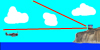
Radar on the top of a cliff, sometimes an aircraft could slip underneath it.
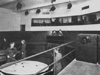
"German Happy Drome" where all the information came in from coast watchers and radar and was disseminated and then sent out to the fighter controllers.
StP 74a Le Guay, pointe de La Percée.
Details
StP 74a Le Guay, pointe de La Percée.

Google
Details
The junction on the D514, take a right tun along the Chem. Capt. Jim Kunkle.
Citation for the Distinguished Service Cross :
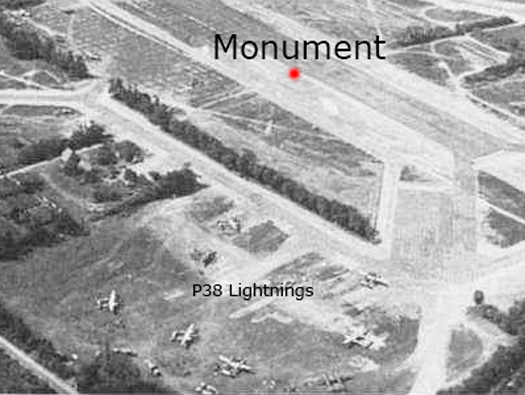
The President of the United States of America, authorized by Act of Congress, July 9, 1918, takes pleasure in presenting the Distinguished Service Cross to Second Lieutenant (Air Corps) James K. Kunkle (ASN: 0-763232), United States Army Air Forces, for extraordinary heroism in connection with military operations against an armed enemy while serving as Pilot of a P-38 Fighter Airplane in the 401st Fighter Squadron, 370th Fighter Group, NINTH Air Force, in aerial combat against enemy forces on 16 September 1944, during an air mission over Aachen, Germany. On this date, while flying as rear man in a squadron on an armed reconnaissance mission, Lieutenant Kunkle noticed that his squadron was about to be surprised by a vastly superior force of enemy aircraft. Unable to summon his leader on the radio, he alone unhesitatingly pulled away from his formation and vigorously attacked the enemy, immediately destroying one of his aircraft. In so doing, Lieutenant Kunkle placed himself in a position to be attacked from the rear and above. When this attack materialized, many hits were registered on his aircraft which caught fire burning his face, neck, and hands. Despite his burning plane and the gunfire from enemy planes, Lieutenant Kunkle continued his attack against the vastly superior enemy force and succeeded in destroying a second enemy aircraft, breaking off combat only when forced to parachute to safety when his left fuel tank exploded. Second Lieutenant Kunkle's unquestionable valor in aerial combat is in keeping with the highest traditions of the military service and reflects great credit upon himself, the 9th Air Force, and the United States Army Air Forces.
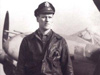
Before he was eighteen and could join up, Kunkle had a job with Lockheed assembling P-38 wing sections, but as soon as he was old enough he enlisted for pilot training. In May 1944 he joined the 401st Fighter Squadron, 370th Fighter Group at Andover, England. His first mission was an armed reconnaissance across the Channel after D-Day. In July the squadron flew to an airfield on Omaha Beach, and flew air-support missions that devastated the German 7th Army at Falaise. He was shot down after a dog-fight with Fw190s and Me109s but managed to bail out over American lines. He later became a test pilot.
401st Fighter Squadron.
StP 74a Le Guay, pointe de La Percée.

11 October 2018
Details
Chem. Capt. Jim Kunkle.
StP 74a Le Guay, pointe de La Percée,
SHM
Details
Built by Org Todt 1943.
Fu.MG Imme. 9./ Flugmelde.Leit.Kom./LuftnachrichtenRegiment 53. Luftwaffe.
2 x Fu.SE 65 Würzburg Riese radar.
1 x Fu.SE 80 Freya.
1 x Fu.MG 450 Freya.
1 x Fu.SE 62D.
120 Luftwaffe crew
Fu.MO
Igel. Teile 2./Fu.M.Abt. Kriegsmarine.
1 x Fu.MO 2 Calais B Seetakt radar.
60 Marines.
5 x Tobruk Bauform 58c.
1 x 5cm Gr.W.36 mortar,
2 x V229 radar plinths.
2 x 60cm Scheinwerfer (searchlights).
Abw.Flammenwerfer 42 (flame-thrower).
4 x 2cm Flak 30.
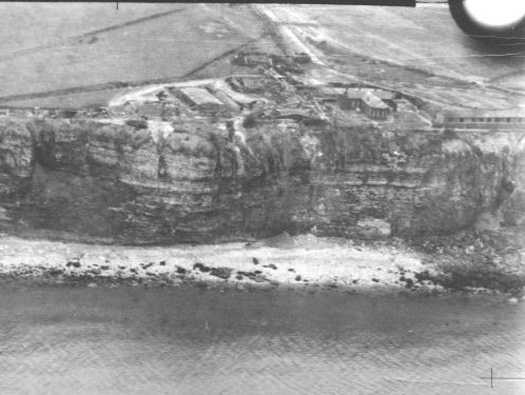
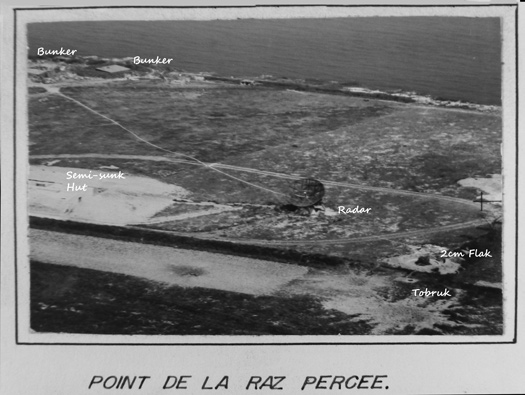
This is a picture of the point with the French semaphore in the centre, with barrack huts and semi sunk shelters for the radar crews.
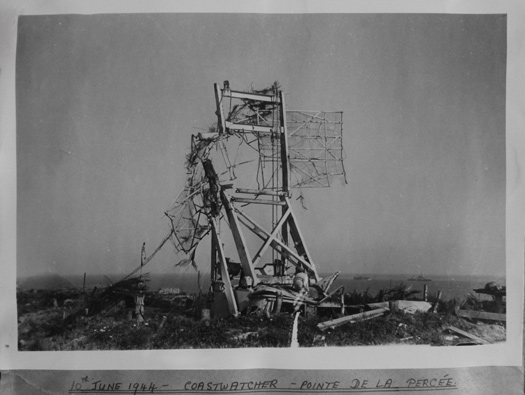
By the 6th June 1944 it was totally out of service, due to bombing.

Fu.SE 65 Würzburg Riese radar.

Fu.MO 2 Calais B Seetakt radar.
60cm Scheinwerfer (searchlights).

2cm Flak 30.

Flammenwerfer 42..

V229 radar plinths.
StP 74a Le Guay, pointe de La Percée.


Post Card 28-5-10 ---------------------------------------------------------------- Air 40/1667
Details
The original French Semaphore possibly a May 1910 postcard?
There was a small batterie of French 9.5cm
Canon de Cote de 95 M93. These were often re used by the Germans as back up artillery.
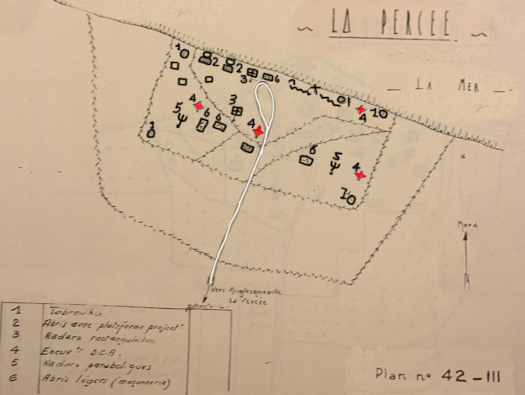
Allied plan of of the site from Air 40/1667 Rhubarb file. Rhubarb was the Allied code word for the offensive against the German radars.

Plan of the semaphore..

9.5cm Canon de Cote de 95 M93.
Fu.MG 401 Freya radar.
60cm Scheinwerfer (searchlights).
2cm Flak 30.
.Flammenwerfer 42..
StP 74a Le Guay, pointe de La Percée.

AIR 20/8845
Details
Radars around Normandy, from an Allied plan.
StP 74a Le Guay, pointe de La Percée.

11 October 2018
Details
The cliff top looking north.
StP 74a Le Guay, pointe de La Percée.

11 October 2018
Details
Shrapnel probably from the bombing.
"They came to bomb the two Tuesdays before the Landing, May 23 and 30. On May 23, they were RAF Mosquito, they machine-gunned. We collected shell casings with a rake in the yard (about 400 from the scene). They came back with bombs. It was 80% destroyed. . They evacuated the site and took refuge in the farm opposite with all their equipment". Eye witness report.

Marauder.

Typhoon.

Lancaster.
StP 74a Le Guay, pointe de La Percée.

11 October 2018
Details
Gap in the hedge and concrete in the distance.

Flak troop.
StP 74a Le Guay, pointe de La Percée.

AIR 40/1952
Details
Air photo taken after a air strike before June 1944 on the radars and it shows the damage to the inland Freya Fu.MG 401 radar. The Fu.MO 2 Calais looks OK.
On May 30, Typhoons attacked for the last time hitting many structures and radars. By then the crews had had enough.

Plan of where the two radars were.

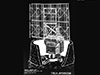
Fu.MG 401 Freya a height finding radar helped the Würzburg.

Fu.MO 2 Calais.
StP 74a Le Guay, pointe de La Percée.


13 May 1943 ------------------------Record Site Plan RAF Warmwell Airfield Site 2382/46 Air Ministry
Details
Pilots of 257 Squadron at RAF Warmwell.
Seven pilots of 257 Sqn standing in front of a Hawker Typhoon at RAF Warmwell, 13 May 1943.
RAF Warmwell was a major fighter station by 1944 and flew countless sorties to France.
This is the official RAF Plan of RAF Warmwell Airfield Site plan made in 1946 showing every hut, building, hangar, roadway, sewage works, etc, of the airfield.
July 1938 and the RAF renamed RAF Woodsford to RAF Warmwell, due to the fact there was another Woodsford in Cheshire.
StP 74a Le Guay, pointe de La Percée.

11 October 2018
Details
Eisenpfahel German barbed wire post. Part of the outer defence, there was also a Mine Field No. 35.

Eisenpfahel plan.

details
StP 74a Le Guay, pointe de La Percée.

11 October 2018
Details
V229 radar plinth.
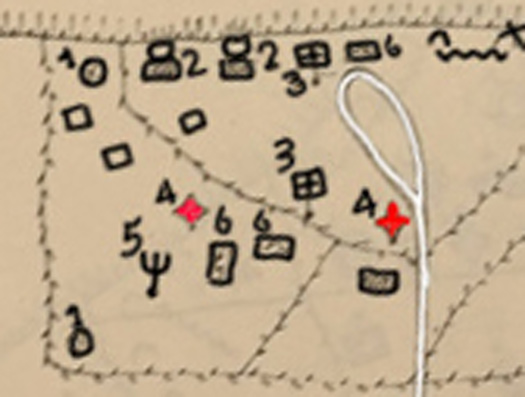
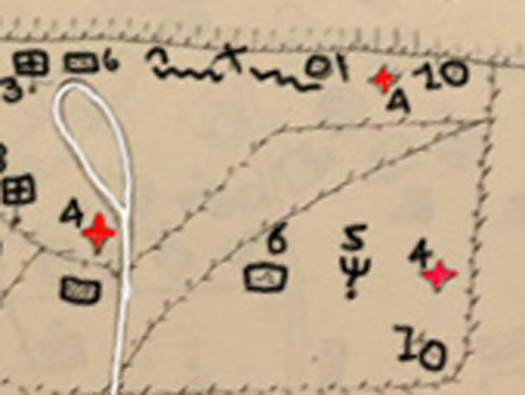
1 - Tobruk.
2 - Searchlight.
3 - Radar rectangle.
4 - 2cm Flak.
5 - Radars
Würzburg.
6 - Bunkers and shelters.
From SHM

Plan.
V229 radar plinths.
Würzburg
radar.

Inside a radar cabin
StP 74a Le Guay, pointe de La Percée.

ADM 202/598 ------------------------------------------------------------- AIR 20/8845
Details
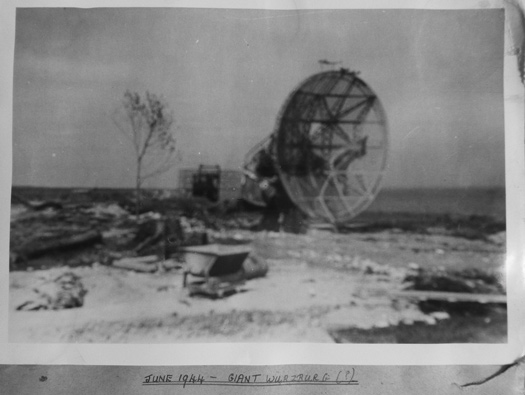
ADM photo of what may be one of the two Giant Würzburg at Wn74a after capture.
An Allied drawing taken from air photos and partisan reports and later from captured radars in Italy. Also the RAF used some of the Italian radar sites to attack and see the results.

RAF Typhoon rockets.

In flight.
StP 74a Le Guay, pointe de La Percée.
11 October 2018
Details
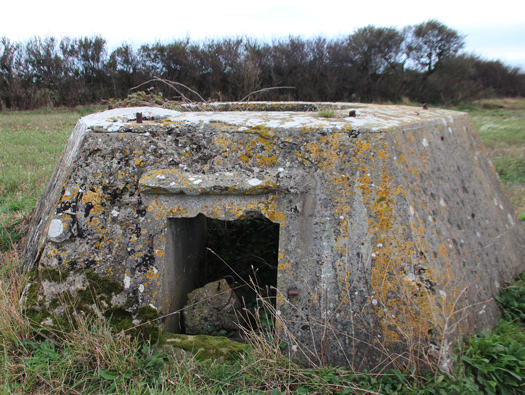
V229 radar plinth.
Small aperture to enter the underneath of the radar.
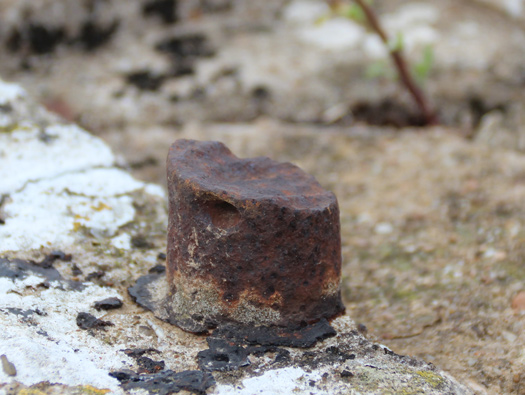
Hold fast thread to bolt down the radar.

Parts of captured radar parts.

Parts of captured radar parts.

Parts of captured radar parts.
StP 74a Le Guay, pointe de La Percée.

11 October 2018
Details
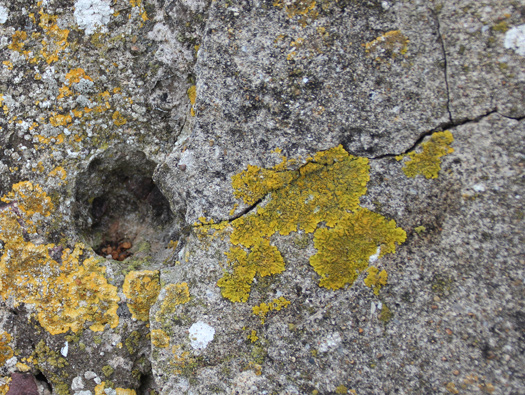
V229 radar plinth.
Looking inside with the ring of threads and the
aperture from inside.
This looks like a bullet hole.
Plan.

Typhoon's attacked the site just prior to D-Day.
StP 74a Le Guay, pointe de La Percée.
11 October 2018
Details
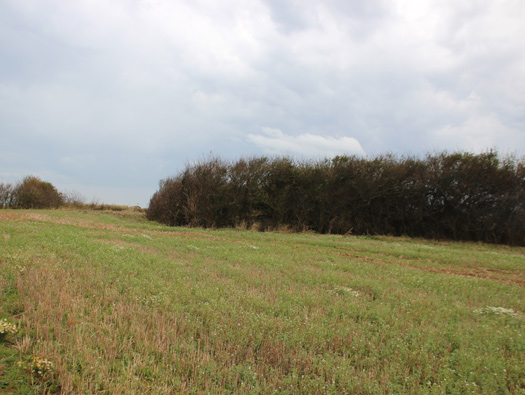
There is something in the woods.

Hole in the ground for a sunken hut.
A Type 41 hut.,
StP 74a Le Guay, pointe de La Percée.
11 October 2018
Details
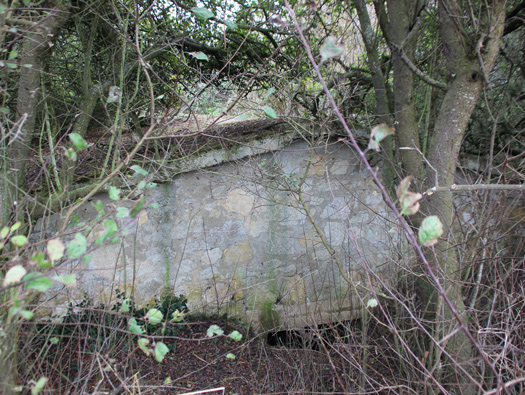
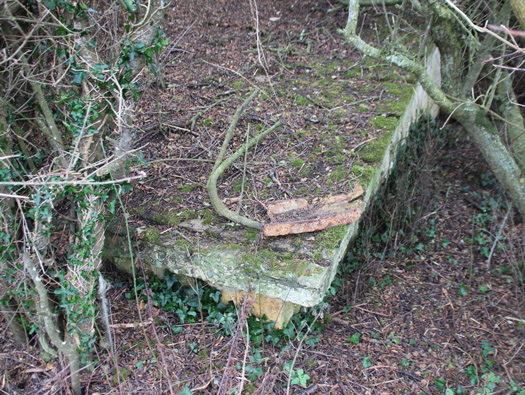
The hut in the woods a Type 41 hut.
A mix of local stone and concrete.
The hut in the woods.
The odd piece of iron lying around.

Plan.
StP 74a Le Guay, pointe de La Percée.
AIR 37/1231 ------------------------------------------------------------ SHM
Details
This is the second Würzburg radar (east) '5,' with the Tobruk '1' and 2cm Flak '4'.
Plan of the area in the photo.

2cm Flak 30.

Bf58c Tobruk.
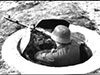
Defence Tobruk.
StP 74a Le Guay, pointe de La Percée.

11 October 2018
Details
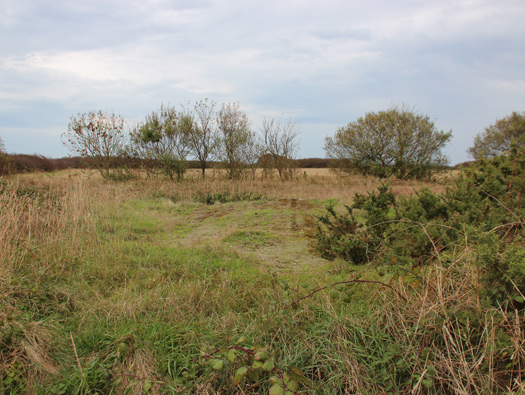
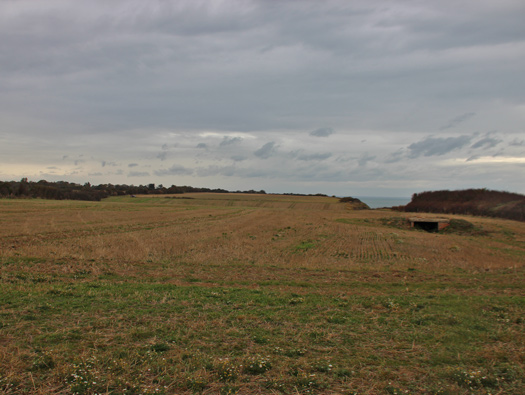
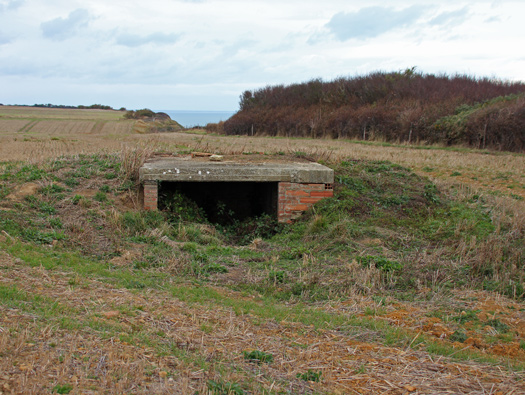
Small unterstand/garage? more later.
StP 74a Le Guay, pointe de La Percée.
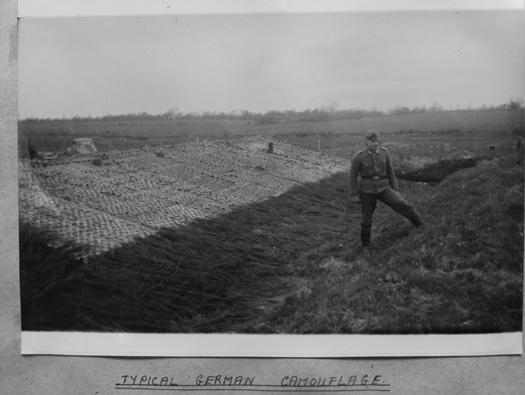
11 October 2018 -------------------------------------------------------------------- ADM 202/598
Details
A Type 41 hut semi sunk.
This could be an original German photo acquired by ADM 202/598.

A Type 41 hut of the period used by both Luftwaffe and the Navy/Marines,

Type 41 hut plan.
The same style of building are Wn235 'Osteck' Cherbourg See.
StP 74a Le Guay, pointe de La Percée.
11 October 2018
Details
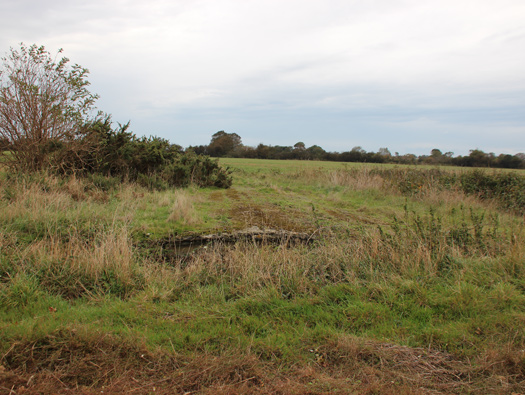
A Type 41 semi sunk building.
You can just see the roof.
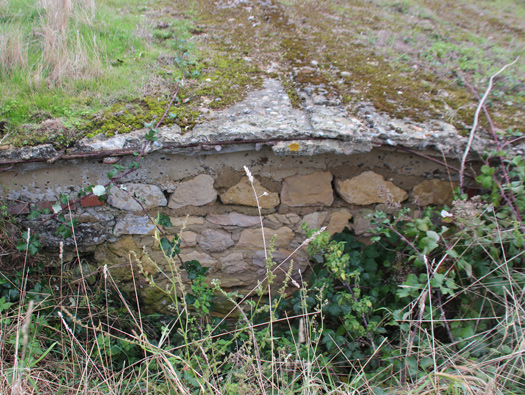
A Type 41 semi sunk building.
The roof apex and the use of local stone and a lot probably removed from the fields around here.
StP 74a Le Guay, pointe de La Percée.
11 October 2018 ----------------------------------------------------------------------------- ADM 202/598
Details
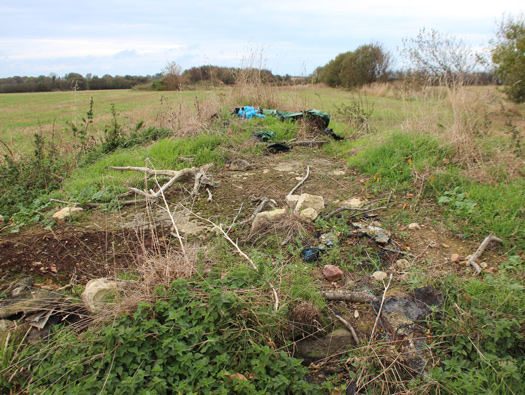
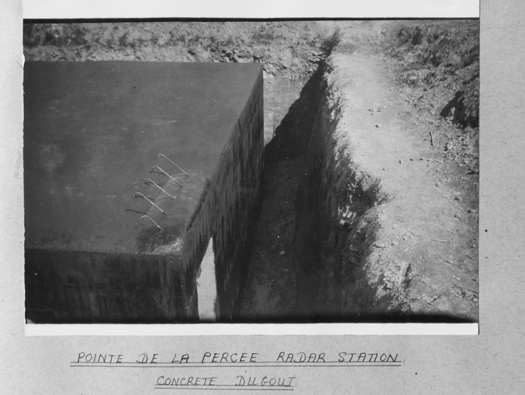
A concrete shelter.
A concrete shelter.
A picture showing how the concrete was sealed with a tar paint. Pieces of the steel mesh reinforcement left proud, to allow a camouflage net to be hooked on.

Basic unterstand for living accommodation, possibly for Flak crew.
StP 74a Le Guay, pointe de La Percée.
11 October 2018
Details
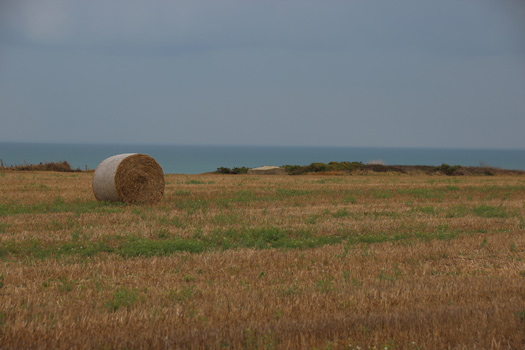
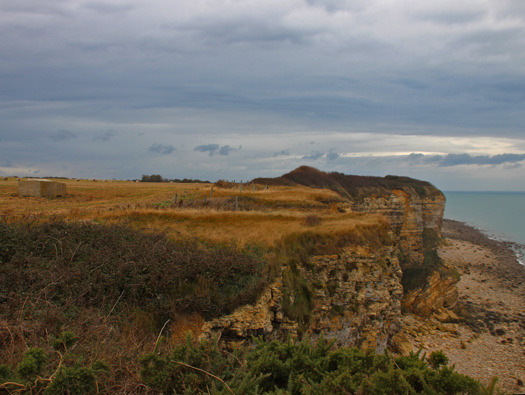
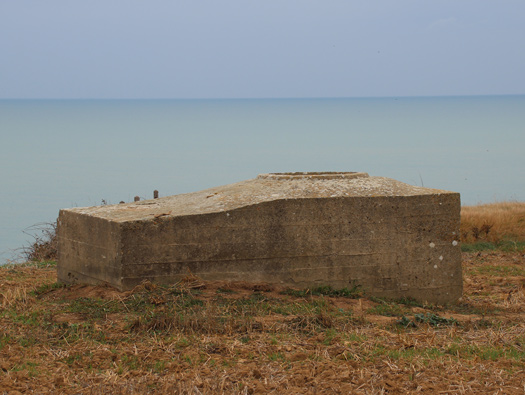
Tobruk on the cliff edge.
One left of the possible five that were here and they surrounded the site.
Tobruk on the cliff edge.
StP 74a Le Guay, pointe de La Percée.
11 October 2018
Details
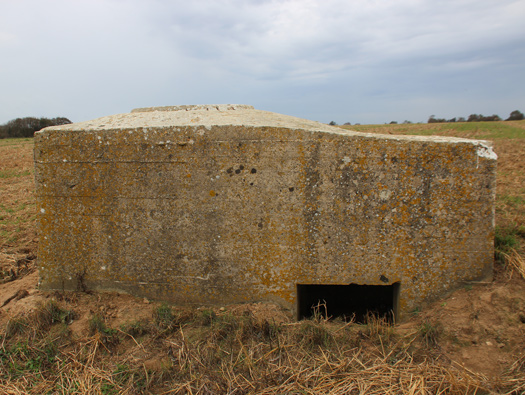
Bf58c type Tobruk.
Bf58c type Tobruk.
Interestingly the entrance is on the outside of the defence??? I wonder why.
Bf58c Tobruk.
Making a Tobruk.
The ring with a gunner about to use his machine gun in the anti-aircraft role.
StP 74a Le Guay, pointe de La Percée,
11 October 2018
Details
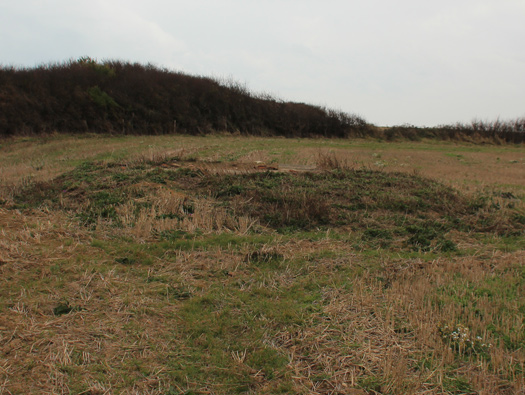
Back to the unterstand/garage.
Unterstand/garage.
StP 74a Le Guay, pointe de La Percée.
11 October 2018
Details
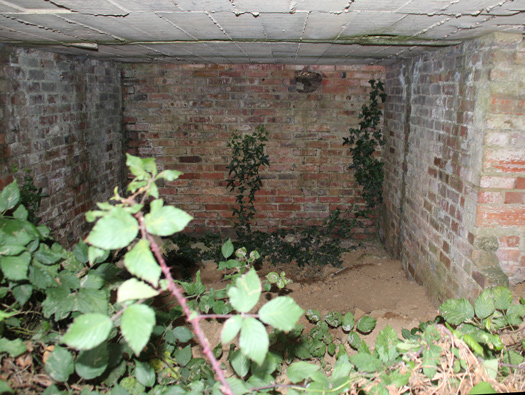
Unterstand/garage.
Inside showing the use of household brick and a concrete roof. This could be a garage for a search light?
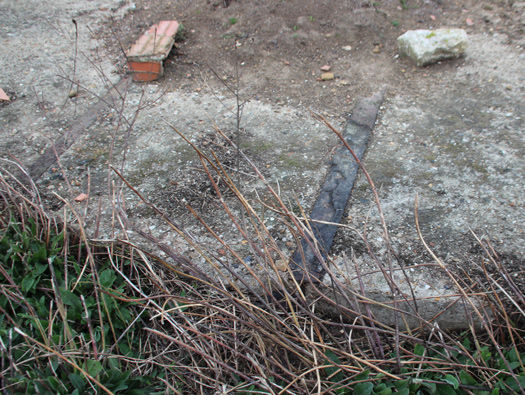
Unterstand/garage.
Ibeam strengthening in the roof.

Plan.

Steel I beams.

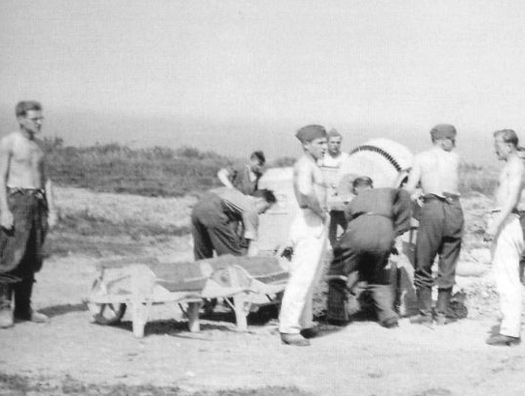
Tobruk under construction.
StP 74a Le Guay, pointe de La Percée.
11 October 2018 ------------------------------------------------------------------------------ From
Les Aigles Verts forum
Details
Unterstand/garage.
Hardly able to see it from the other direction.
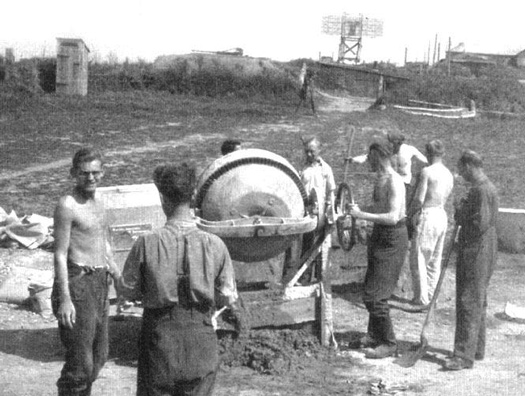
Under construction.
StP 74a Le Guay, pointe de La Percée.
From
Les Aigles Verts forum. ----------------------------------------------------------- ADM 202/598
Details
More under construction.
With the radar in the background and the toilet.
Fu.MO 2 Calais B Seetakt radar (British Int. Coastwatcher). Situated as close to the cliff edge as possible to get the best range. This was a Kriegsmarine radar.
Fu.MO 2 Calais B Seetakt radar.
StP 74a Le Guay, pointe de La Percée,
ADM 202/598
Details
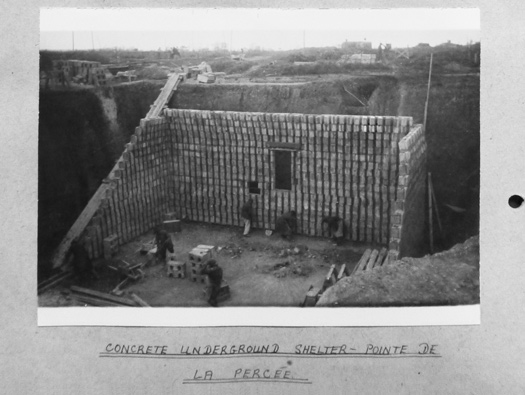
Small bunker under construction in Formstein. Two courses of brick, infill with steel reinforcement and concrete.

Formstein brick.

Formstein reinforcement..

Formstein pouring concrete.
StP 74a Le Guay, pointe de La Percée.

11 October 2018
Details
 Norway (coming soon!)
 France
 Great Britain