Wn97 Coquebourg
WN · K.V.U.Gruppe Vire · AOK 7 Normandy · France

Wn99 Brévands le Châlet
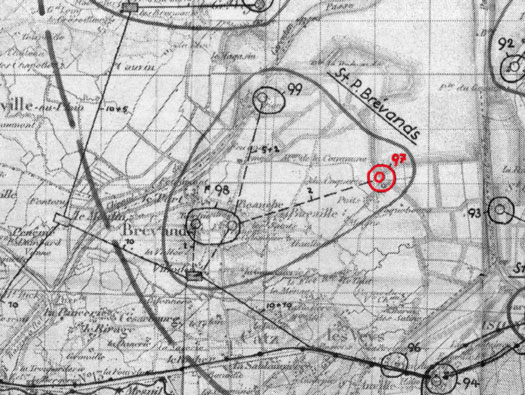
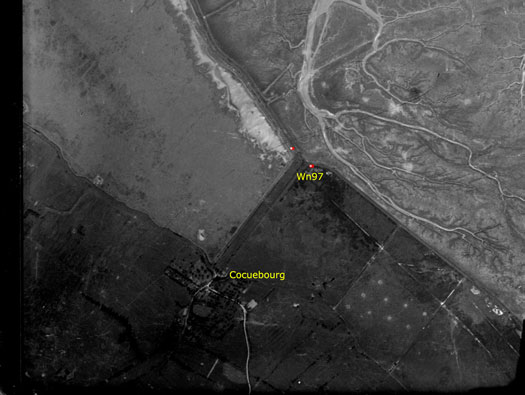
Situated 2.5km S/E of Wn99, Wn97 a very small mortar position in 1944 on the tidal banks of the Vire River.
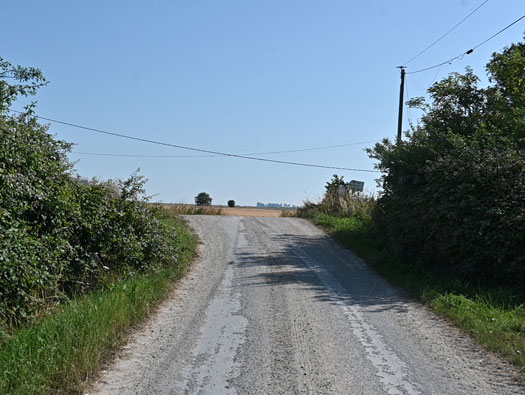
Photo: This is how the view would have looked in 1944 over the Vire River. Since then the area has been turned into a Polder and is now farmed.
Wn97 Coquebourg
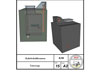
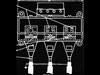
My plan of how it may have looked.
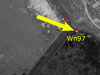
IGNF 1947
Wn97 Coquebourg
Pos: IV./726 : Ost Battalion 439 (Ukrainians) (352. Infanterie-Division). (Hauptmann Hans Becker - CP: Les Veys) HQ Wn99.
2 x IC110 ringstands.
2 x le.Gr.W.203(f) mortars.
24 June 2026

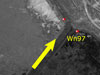
Wn97 Coquebourg
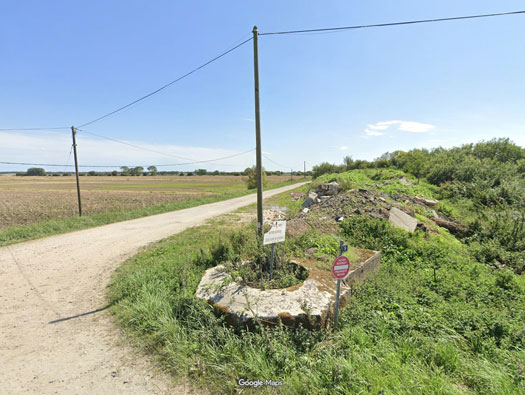

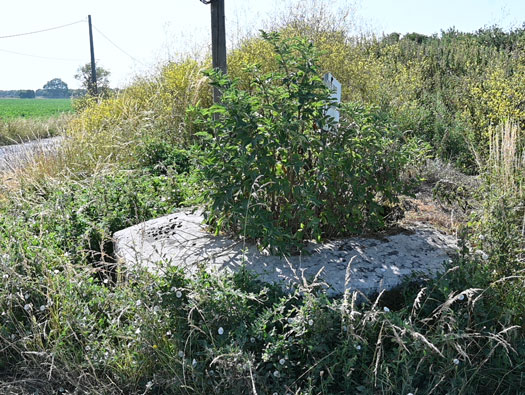
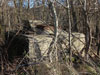
I visited in June 2026 and all I could find was this IC110 mortar Tobruk. There was supposed to be two, one on the left and one on the right. The left is missing.
24 June 2026
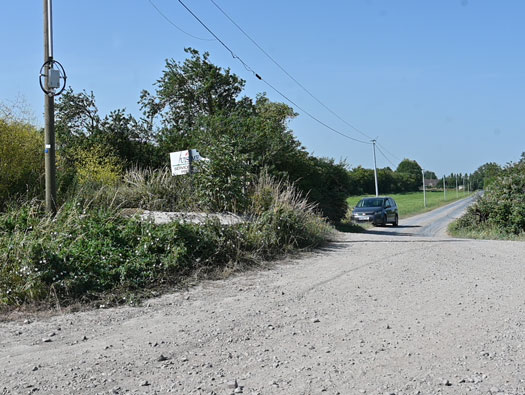
Ic110 Tobruk looking back down the road.
24 June 2026
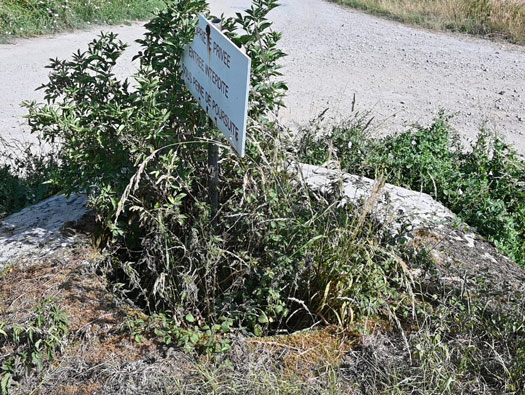
IC110 Tobruk.
24 June 2026
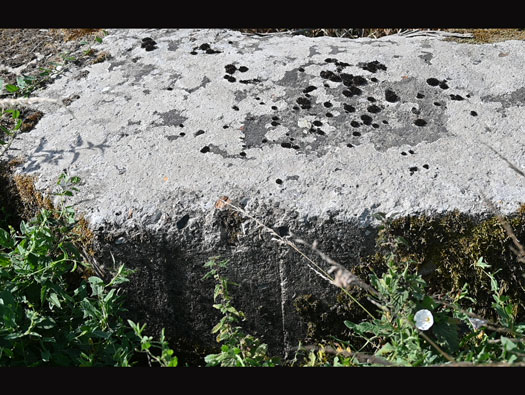
IC110 Tobruk showing that it was hastily built and not to the standard quality.
24 June 2026
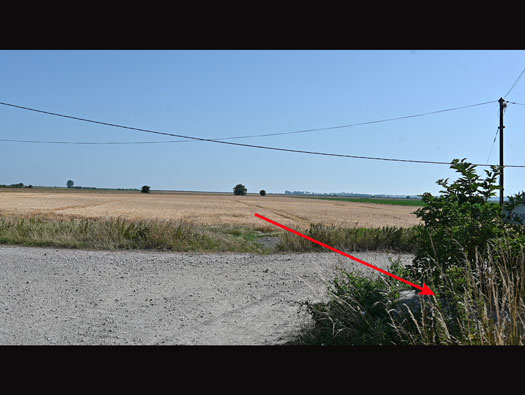
The area that Wn97 was to defend, in 1943/44 it was open marsh land and the sea came right up to this road. The area in front was all reclaimed land.